-
Shareef Colony, Opp Railway Gate, Shorkot Road,
Toba Tek Singh, Pakistan
Current Projects
- Home
- Current Projects
Creating Change Through Action
Our activities focus on creating meaningful opportunities, supporting vulnerable communities, and building a better future through education, empowerment, and community development.

Reach Out to Children of Brick Kiln
Children of brick kiln workers are among the most vulnerable groups, often deprived of education and pushed into child labor due to poverty and difficult living conditions. Recognizing this challenge, the Society for Human Development initiated efforts to break the cycle of poverty and child labor by creating educational opportunities for these children
Empowering Uneducated Young Girls and Women in Brick Kiln Communities
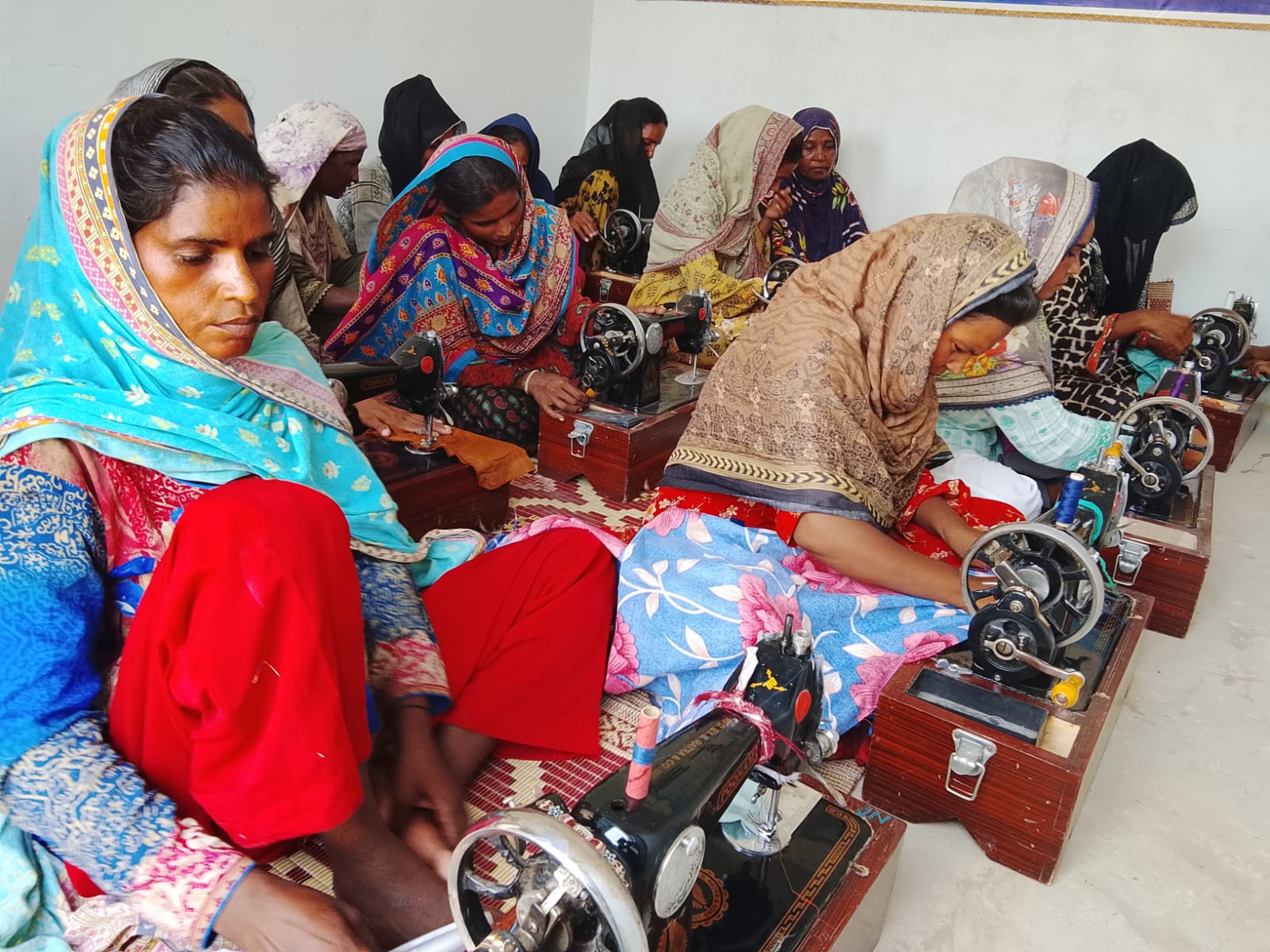
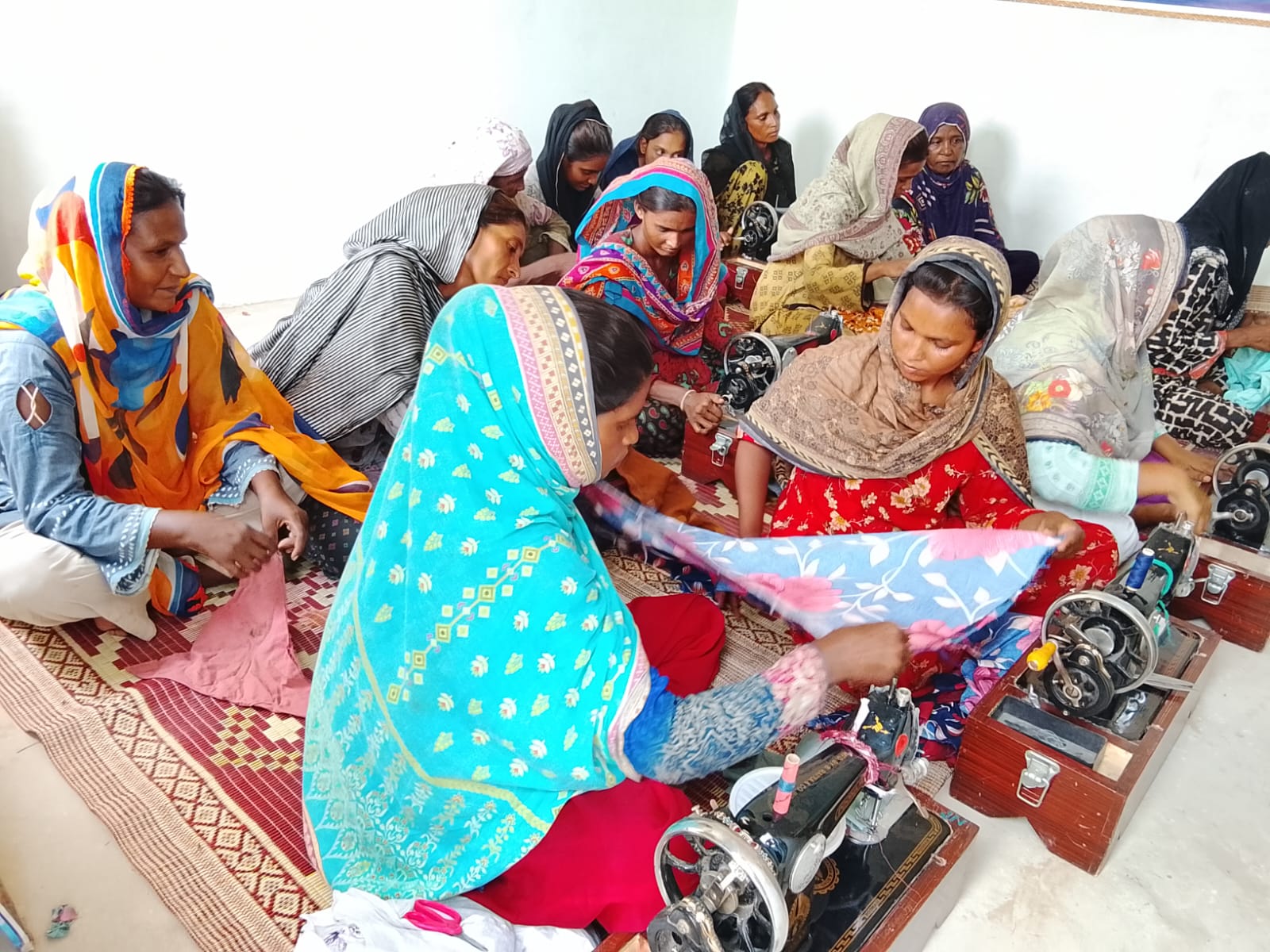
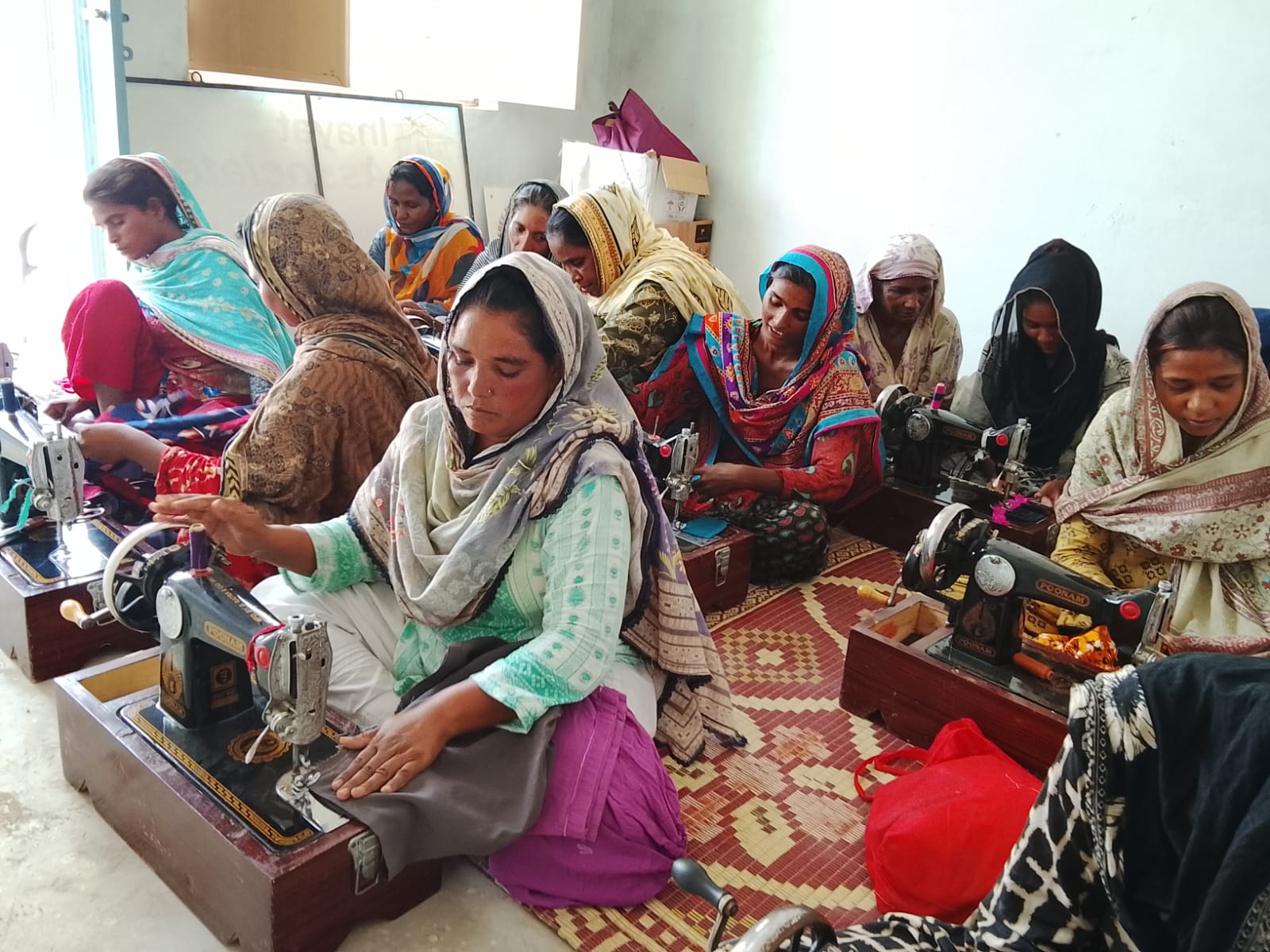
Society for Human Development is working hard to bring visible change in the lives of women through rights-based and development initiatives. SHD is striving for a society where women do not feel insecure, and where they have a liberty and freedom of expression and can develop themselves without any social and economic obstacles. Society for Human Development started sewing centre in different target areas of Distt. Toba Tek Singh. Young girls and women showed their interest and they got admission in sewing centre. They feel like they have value as individual women and they are contributing to the income of their families.
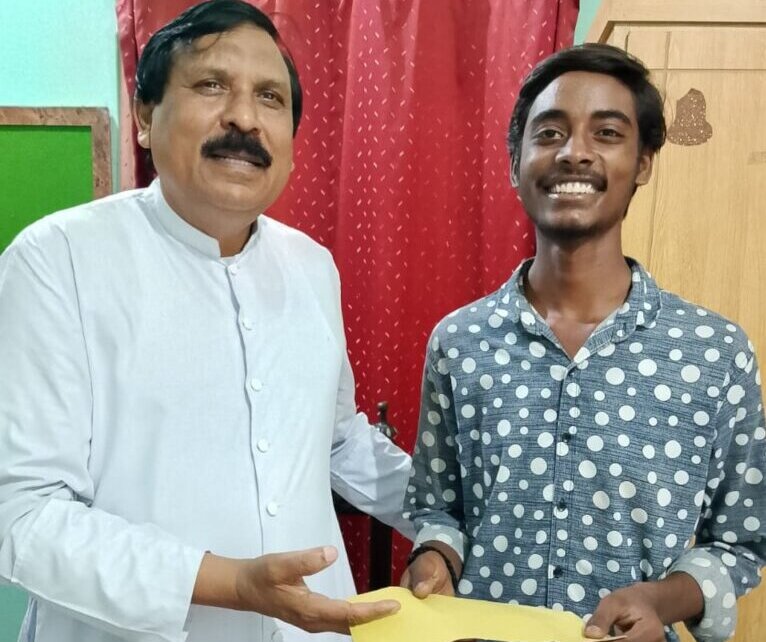
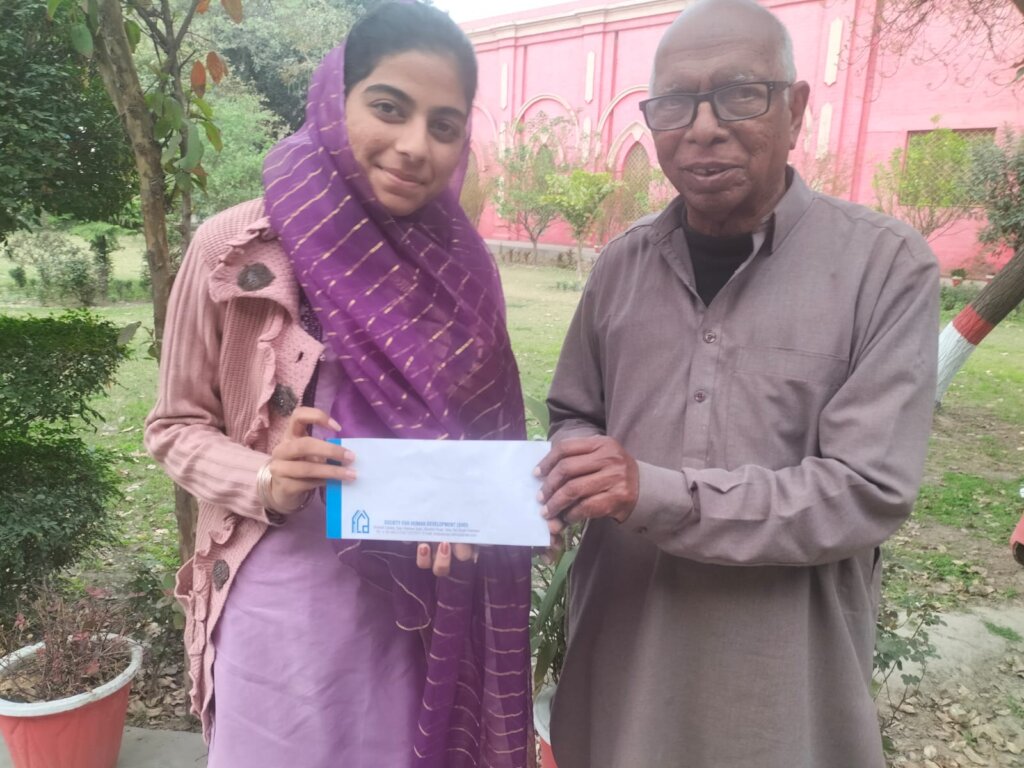
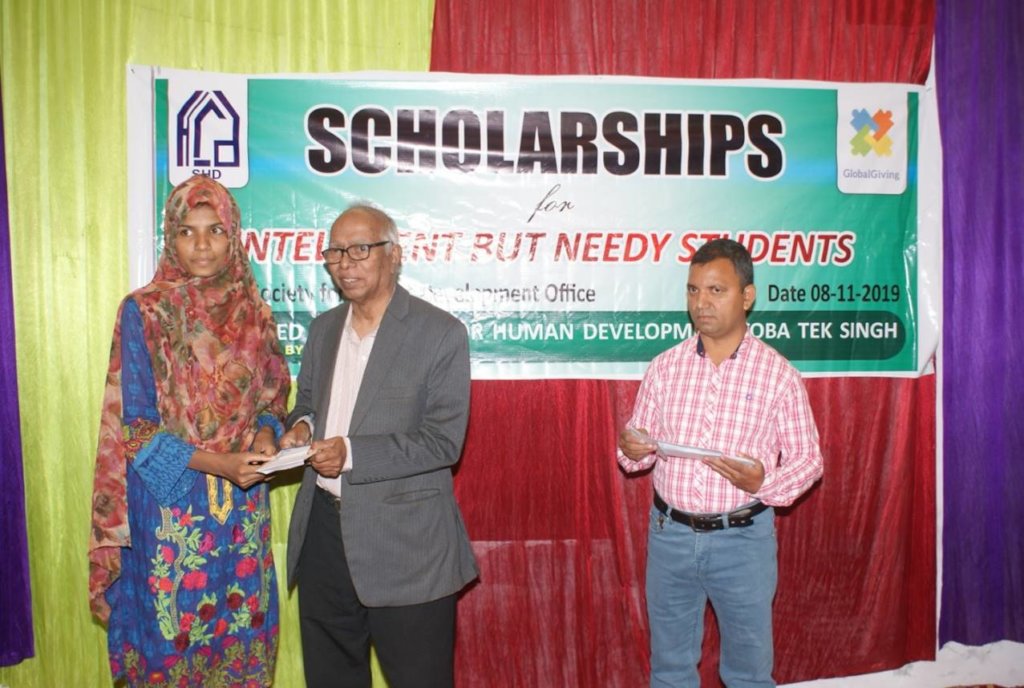
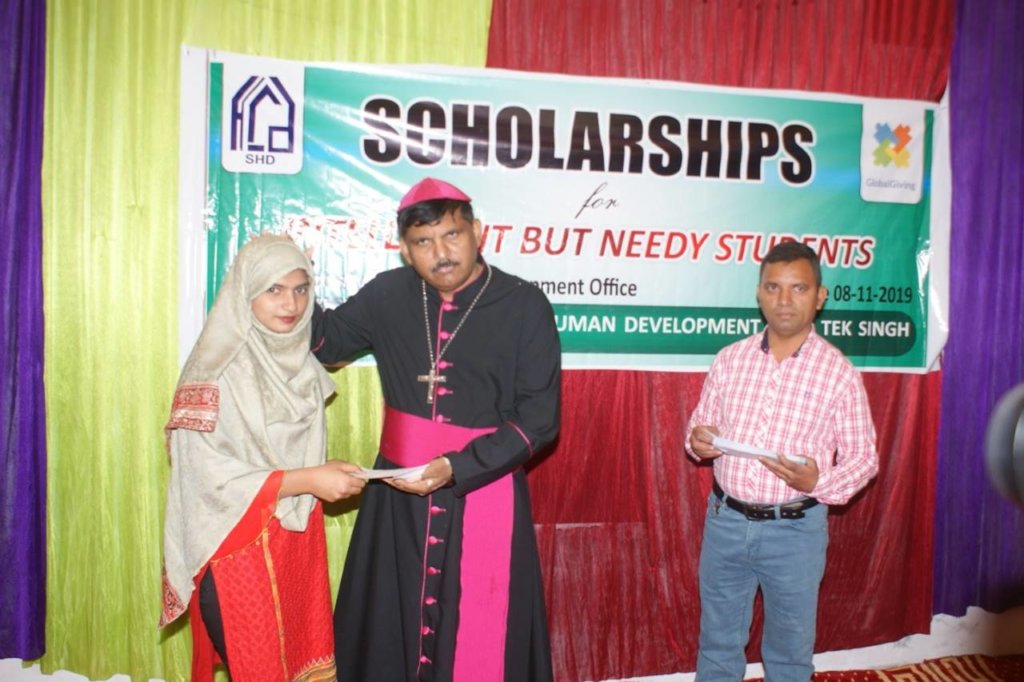
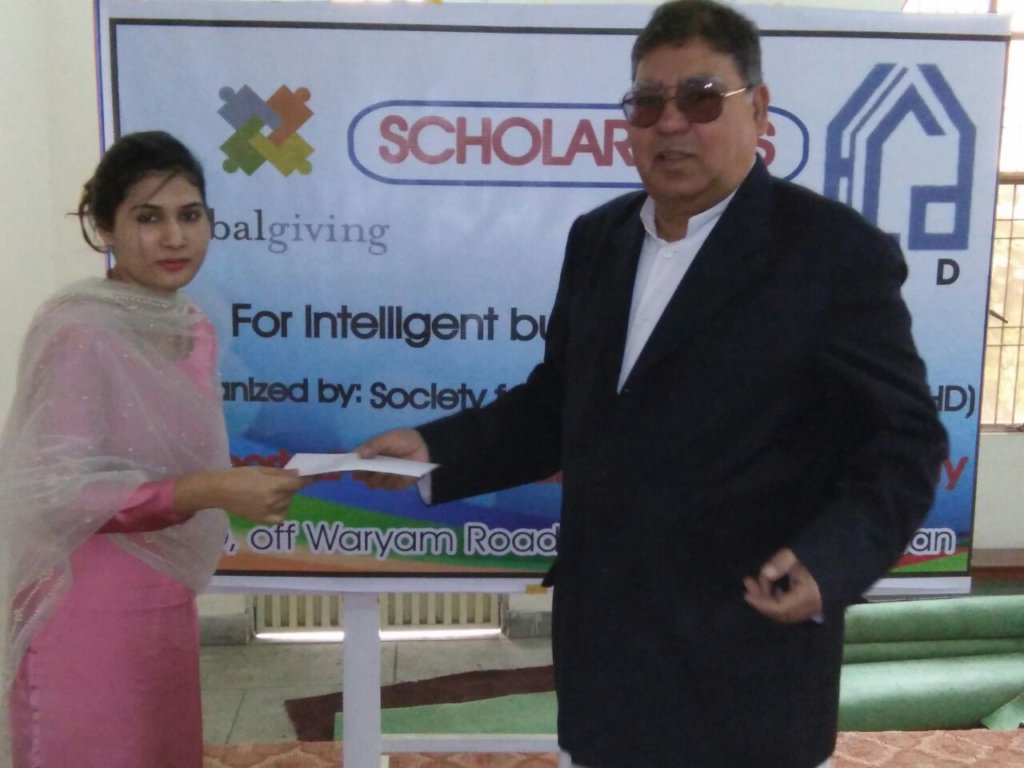
Scholarships for Intelligent but Needy Students
In Toba Tek Singh, Society for Human Development (SHD) is supporting talented but financially disadvantaged students to continue their education and achieve their dreams. Through this project, scholarships will be provided to 100 deserving school and college students from low-income families. The scholarships will help students meet essential educational expenses and reduce the financial burden on their families. The project will also encourage students to remain in school, improve their academic performance, and pursue higher education. By investing in education, SHD aims to create better opportunities for young people and contribute to the social and economic development of the community.
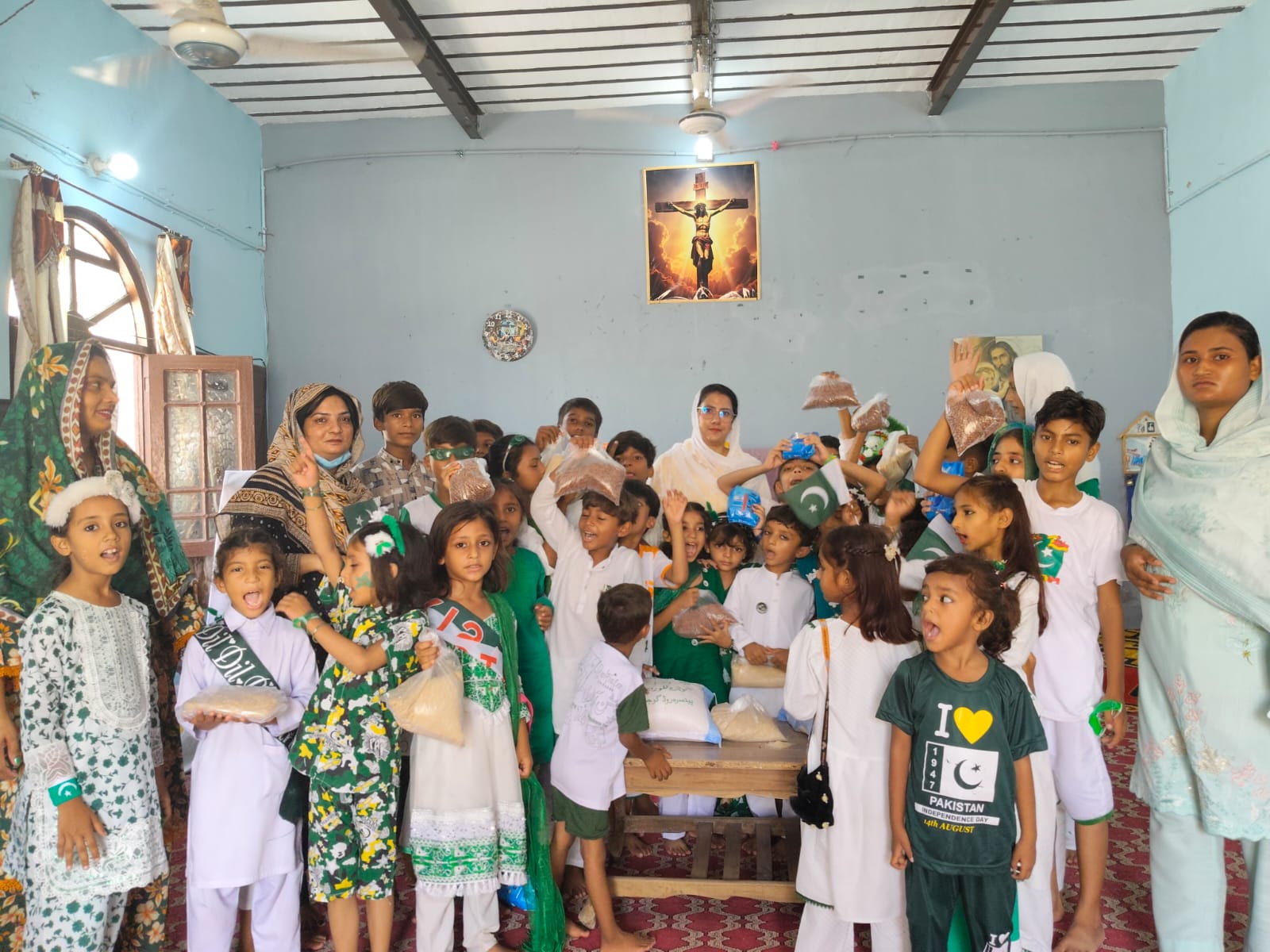
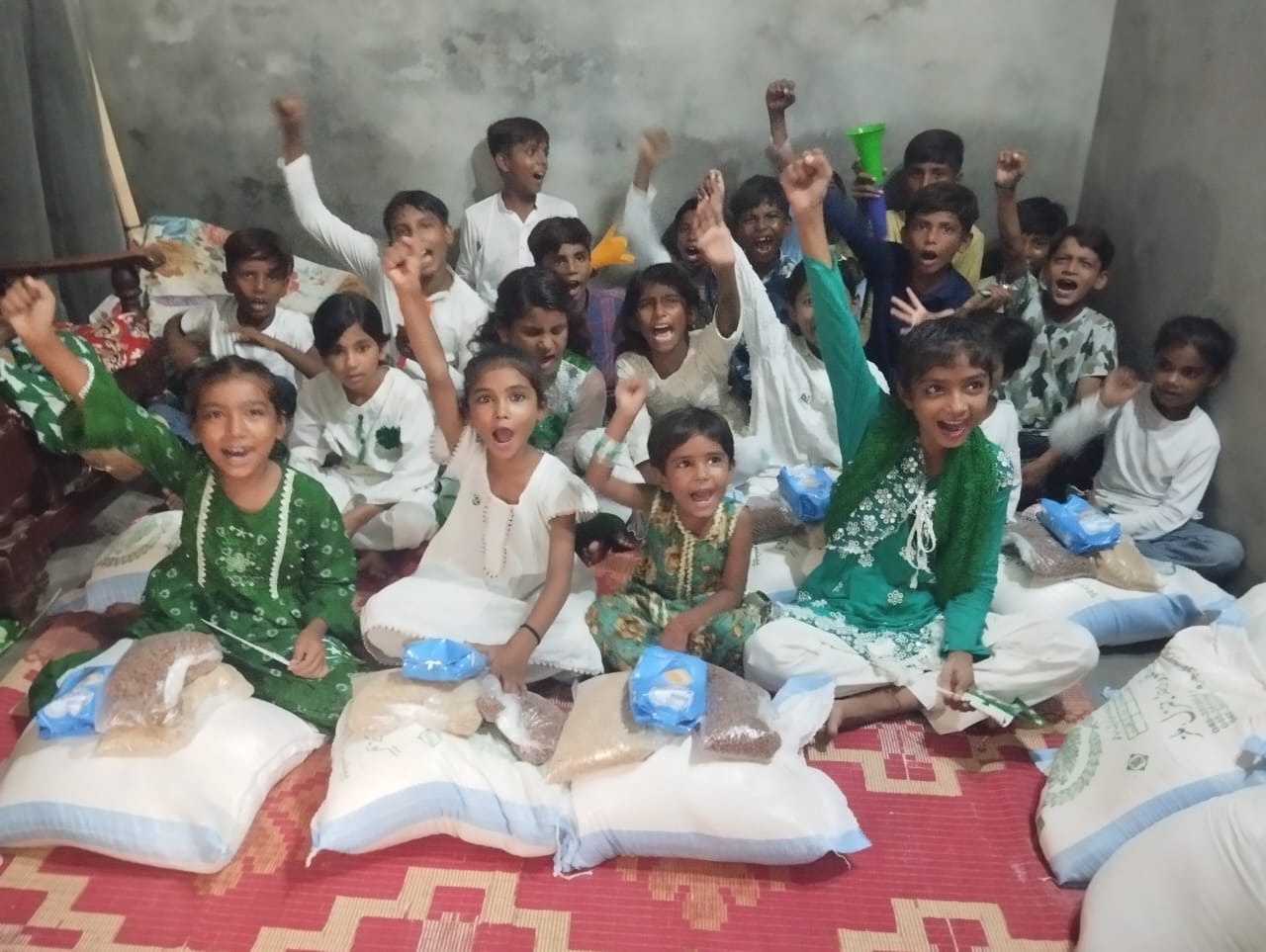
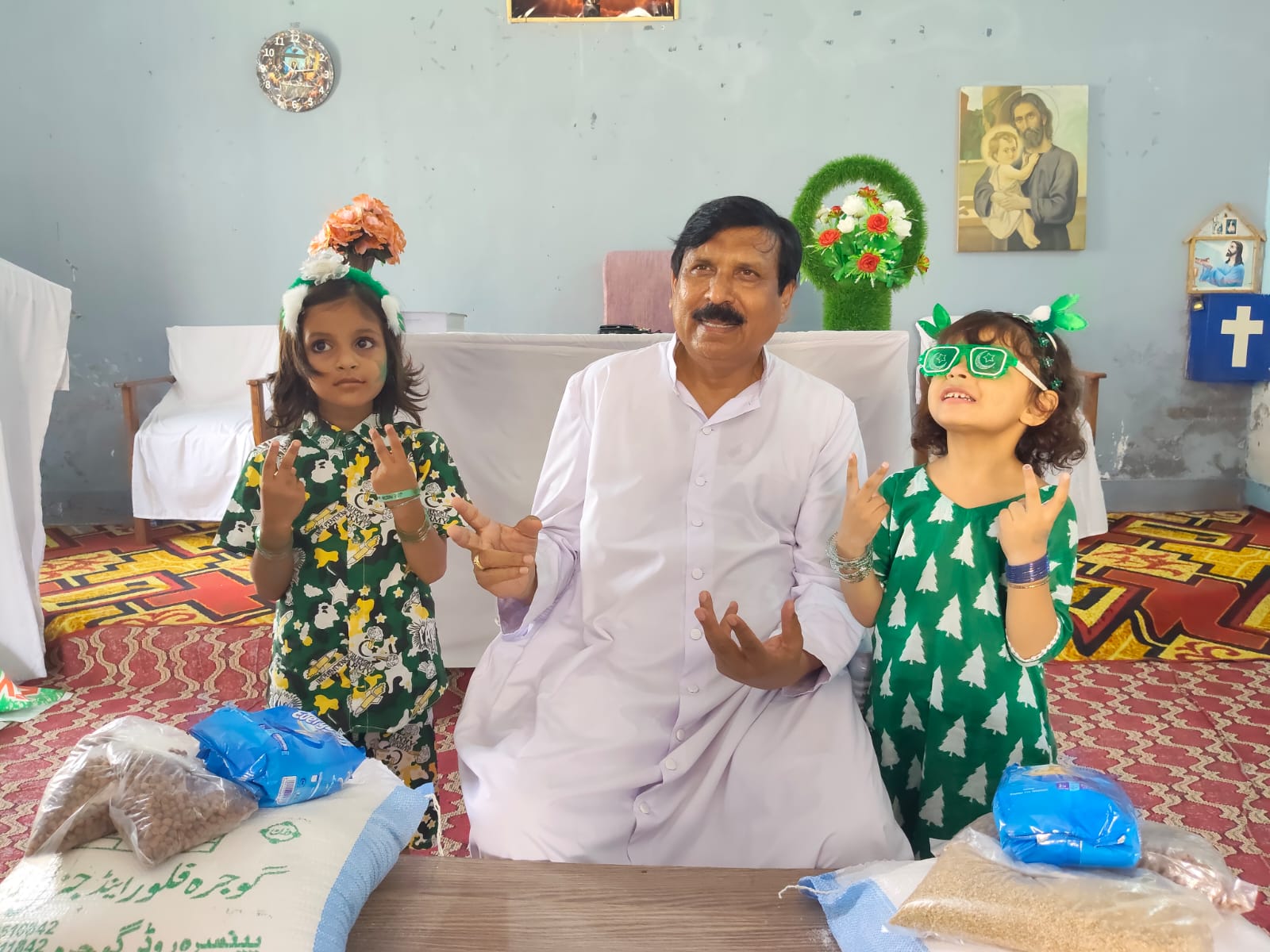
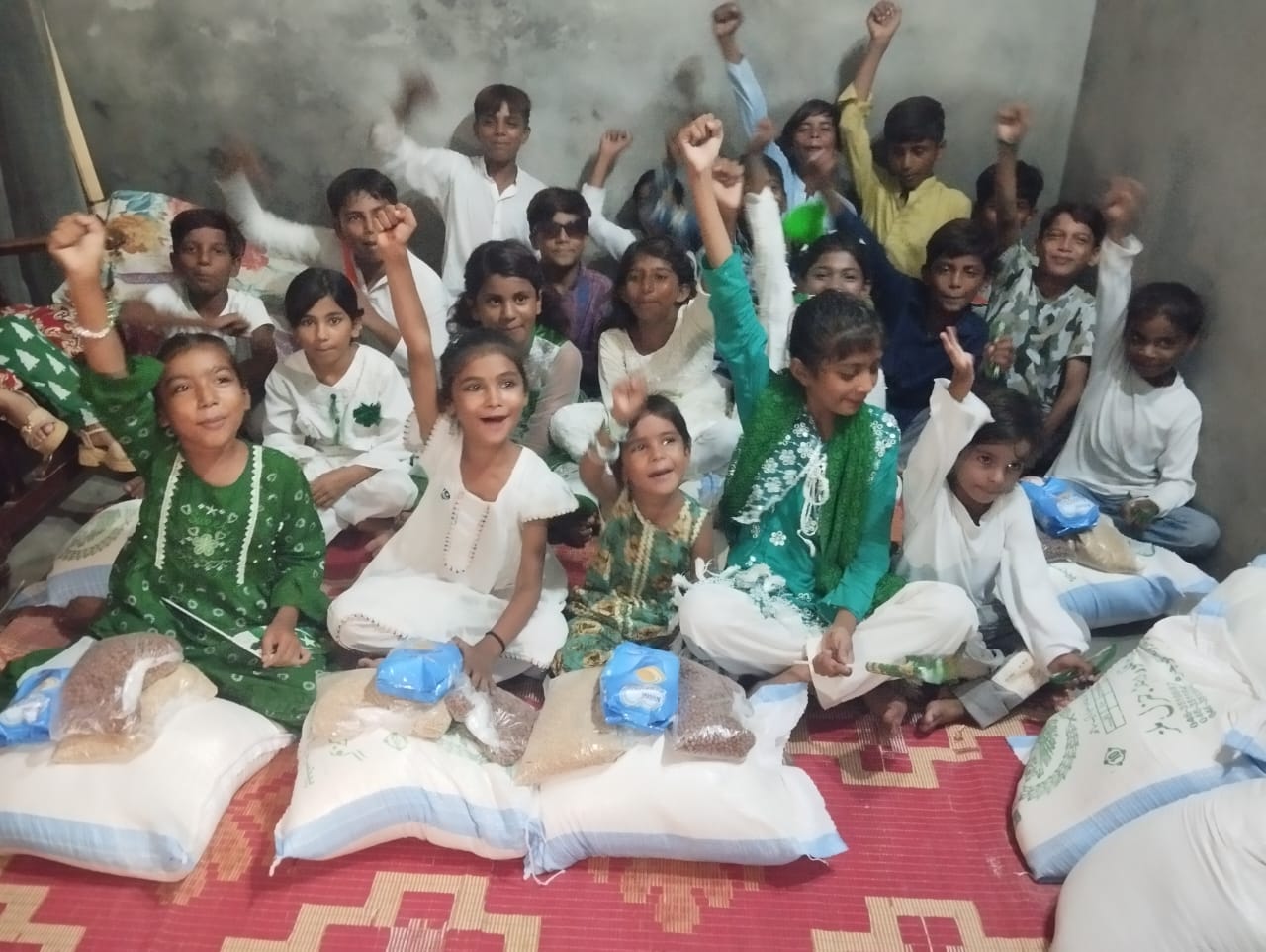
Food Distribution
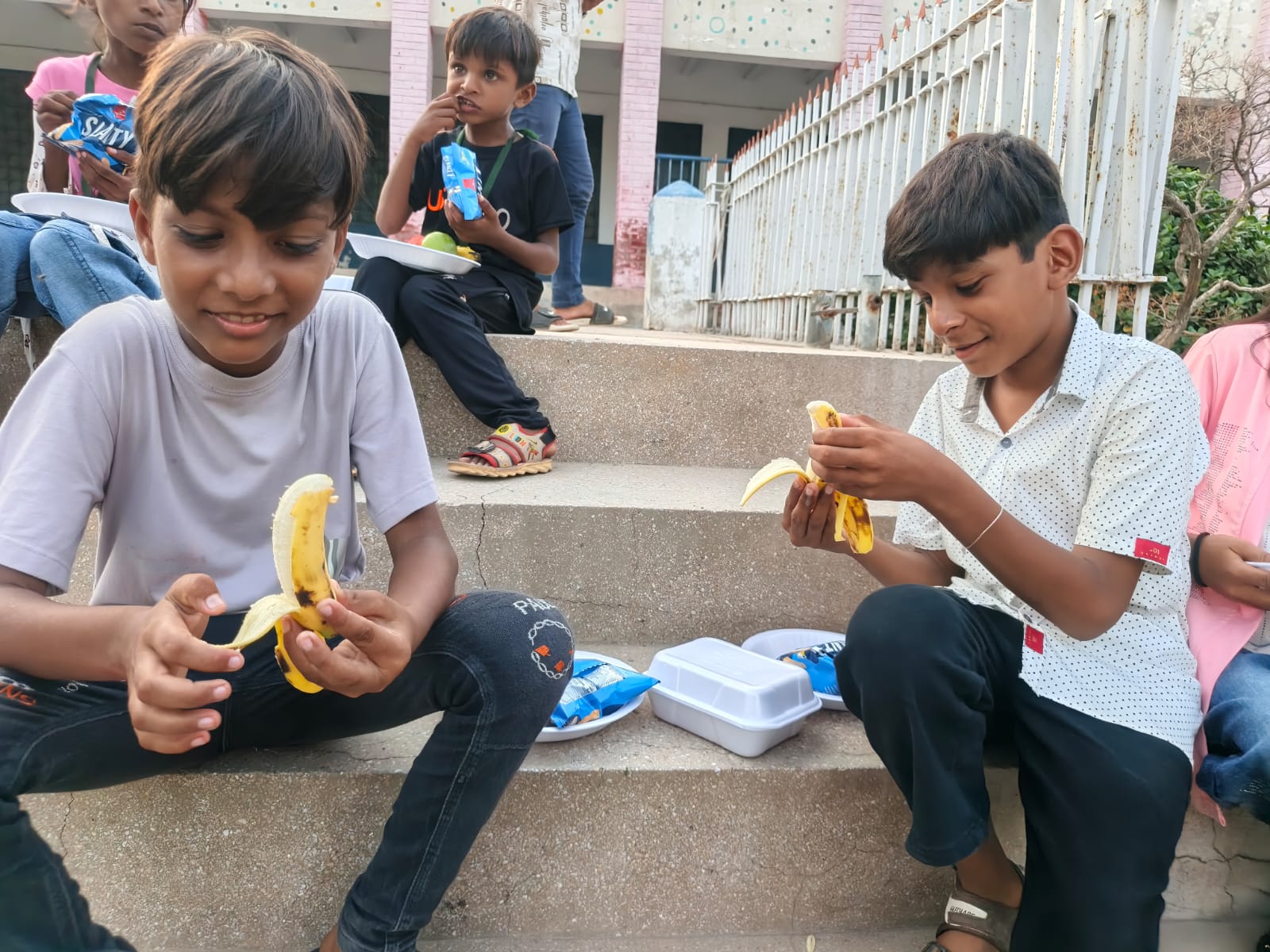
We distribute nutritious food and essential food supplies to families and children from underprivileged communities. Through regular food distribution activities, we aim to support families facing financial hardship, reduce food insecurity, and ensure that vulnerable members of the community have access to basic nourishment and care.
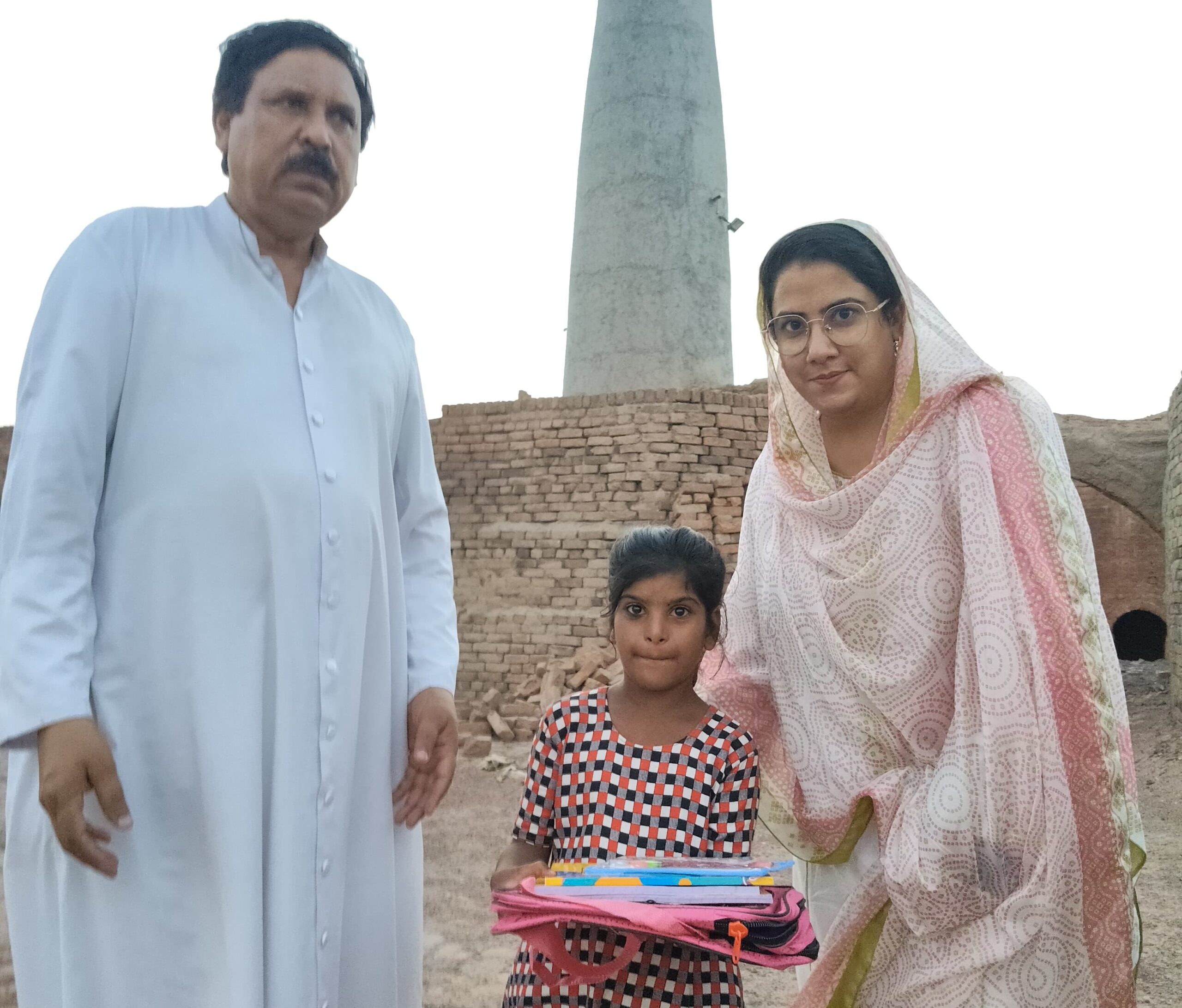
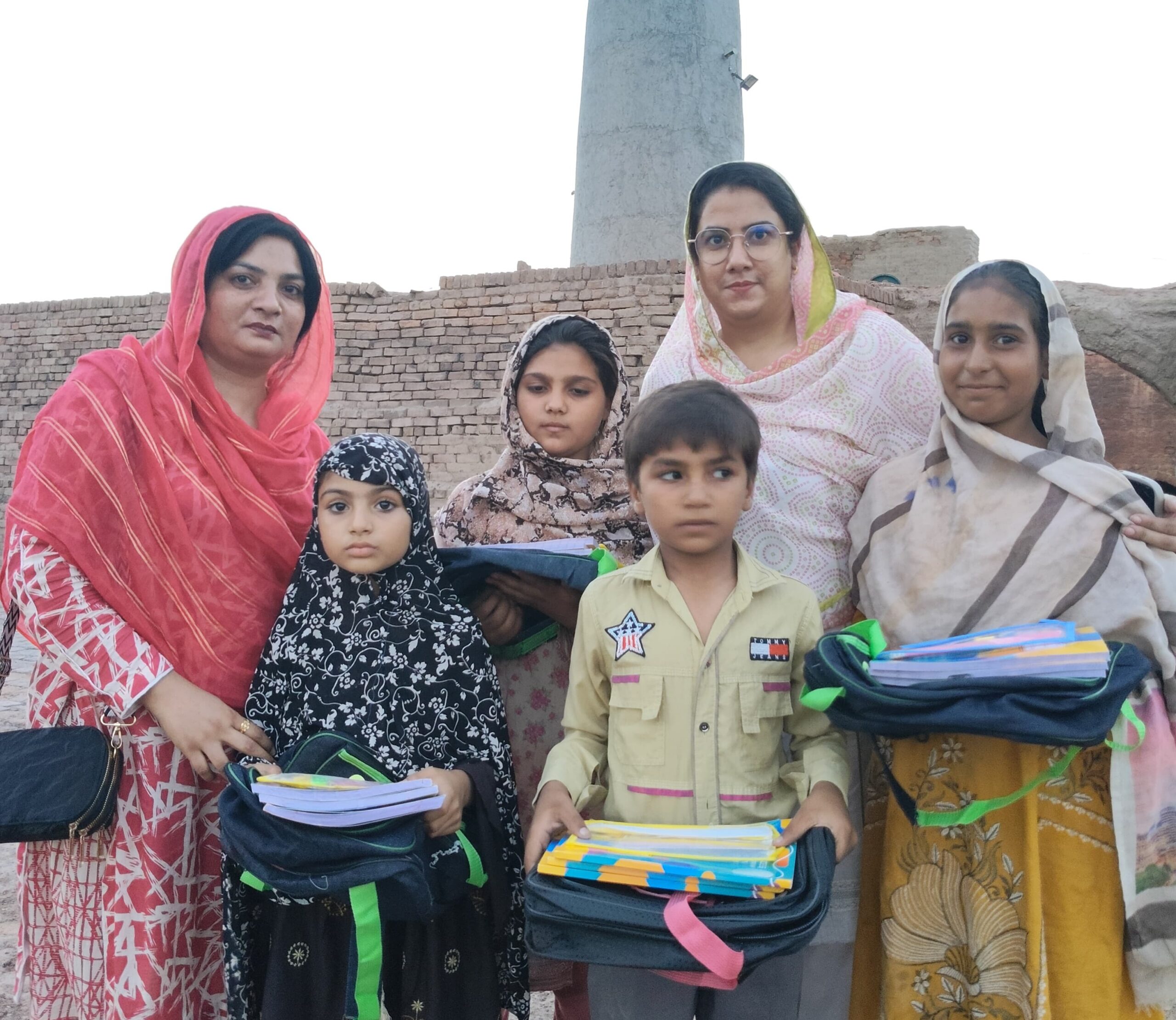
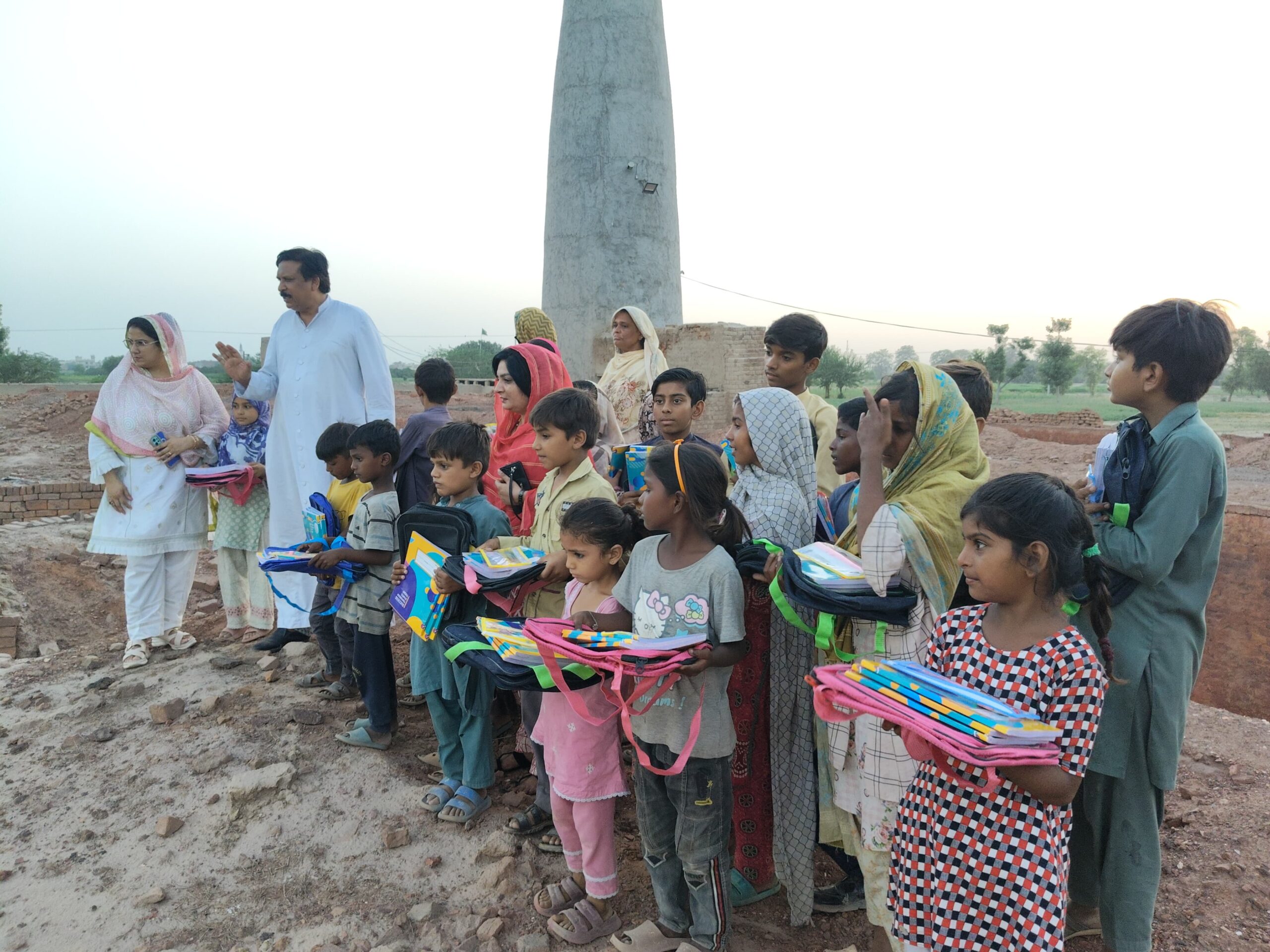
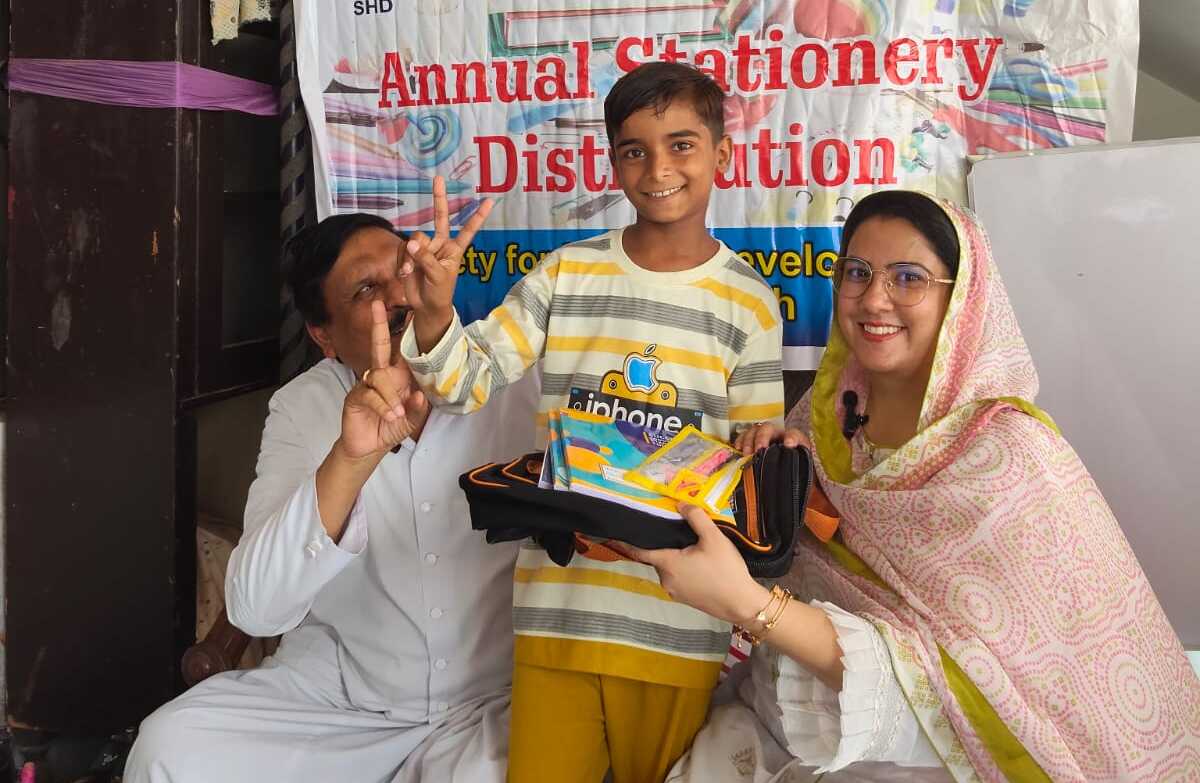
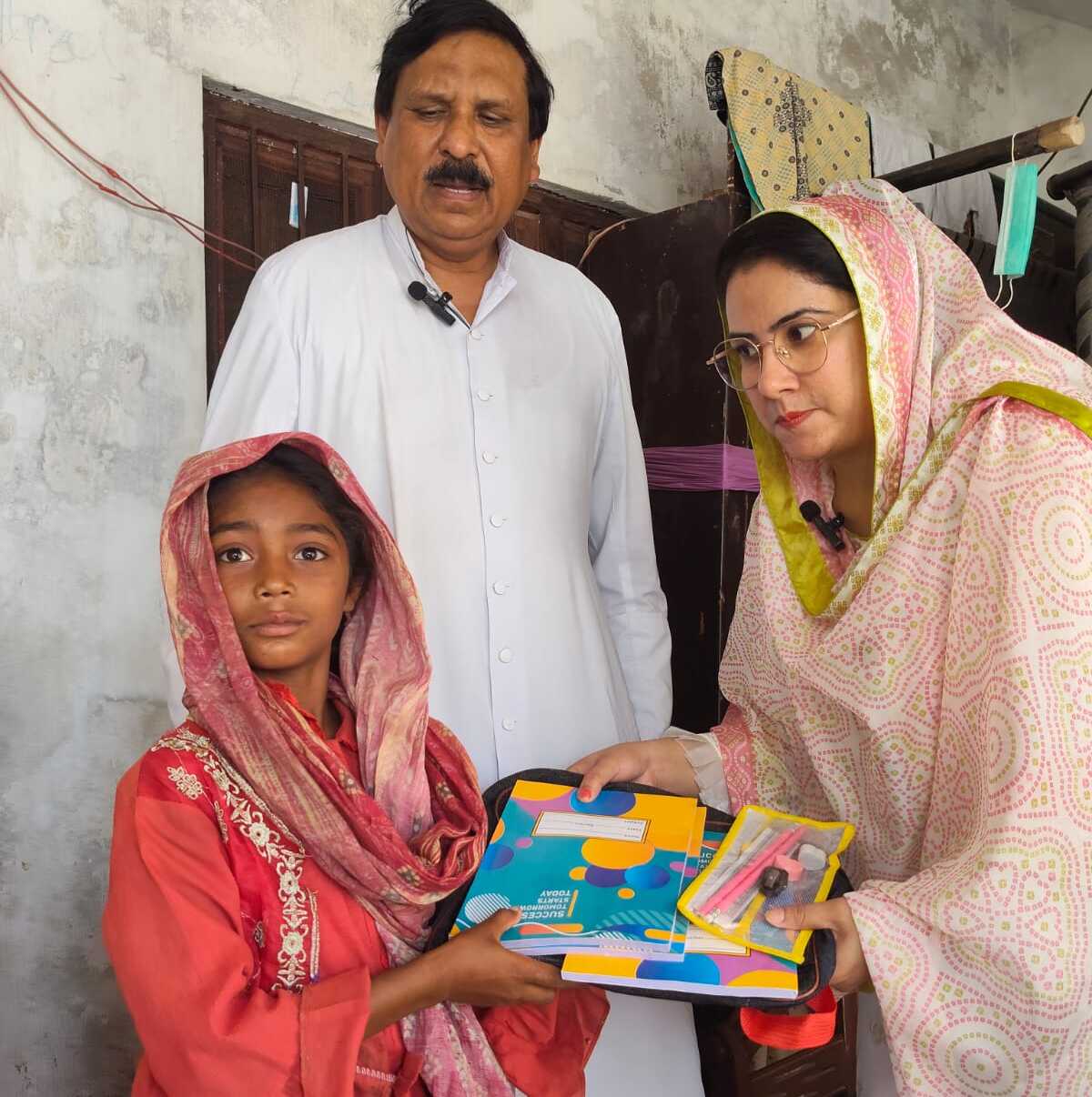
Annual Stationary Distribution
Every year, we provide essential school stationery to children from underprivileged communities, helping them begin their school year with the tools they need to learn and grow. From notebooks and writing materials to other basic school supplies, this support helps reduce the financial burden on families and encourages children to continue their education with confidence.
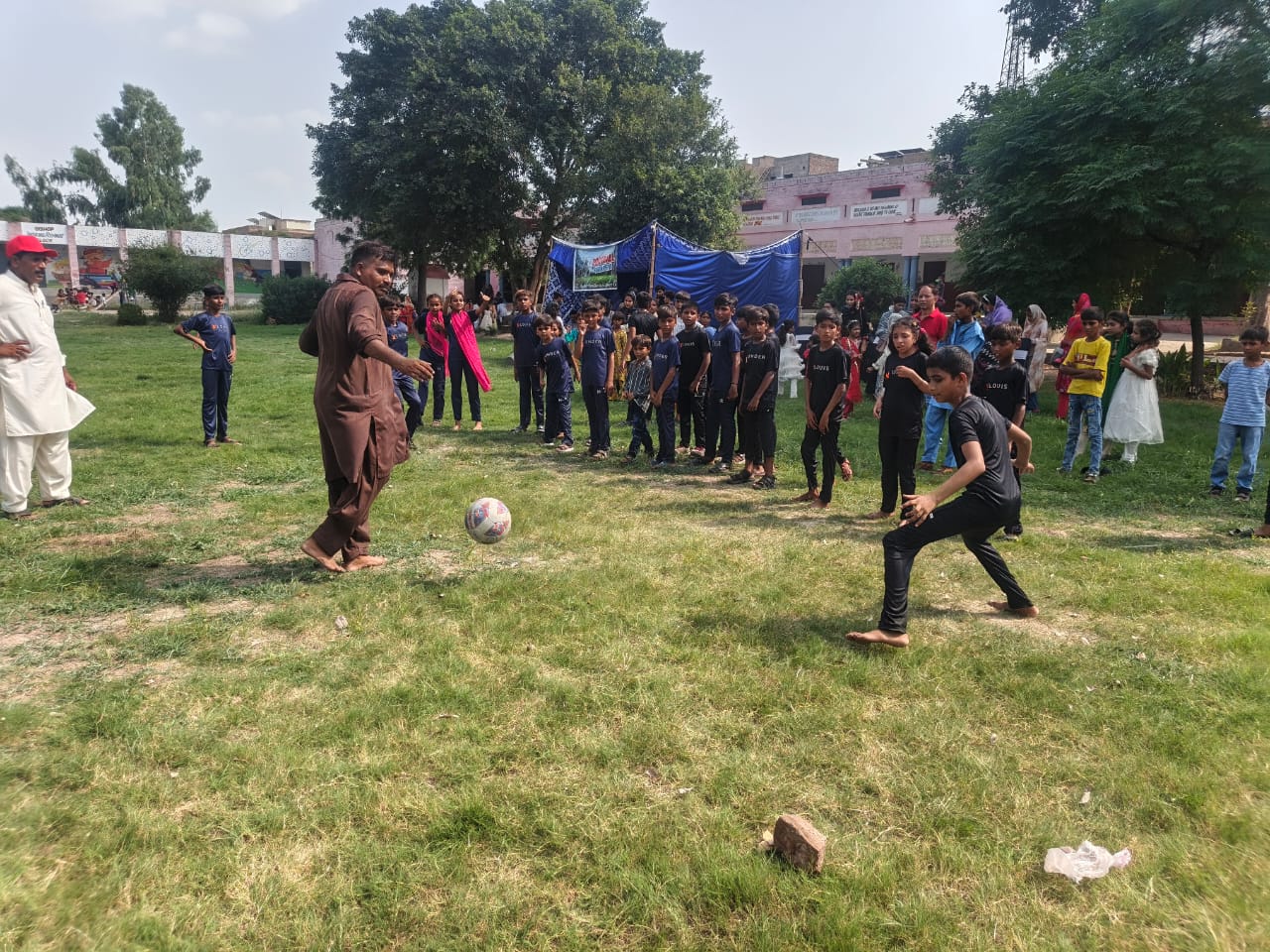
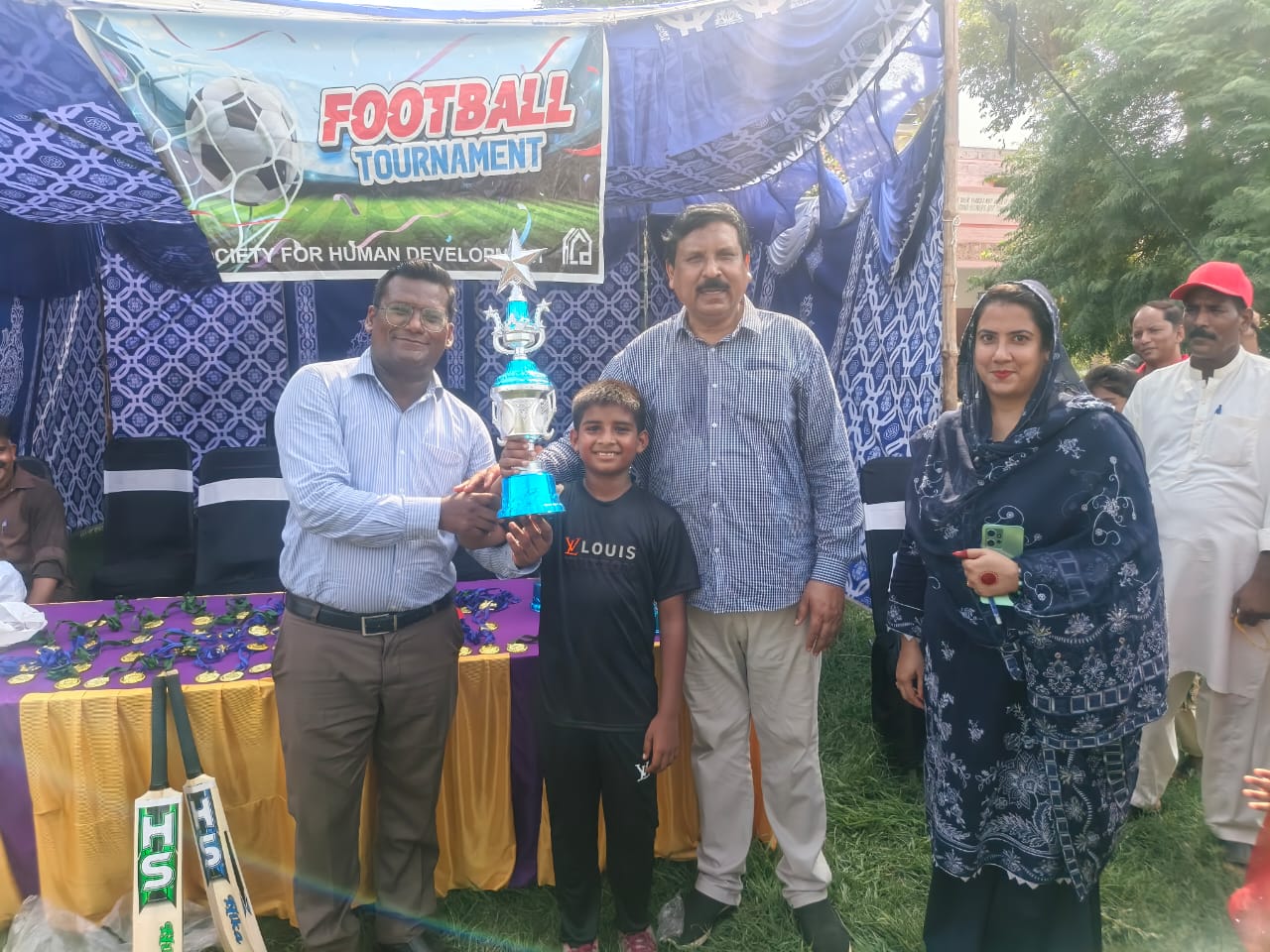
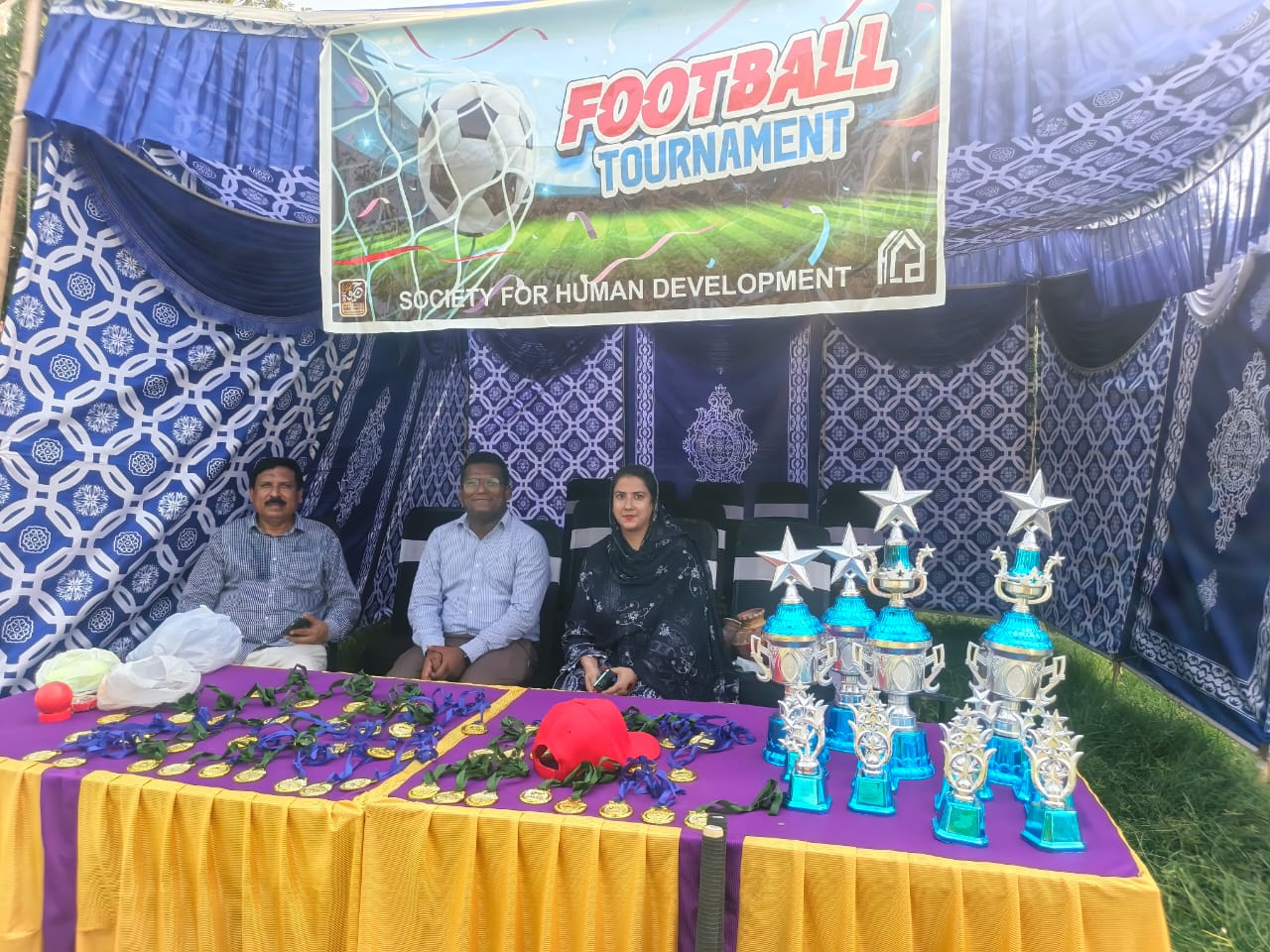
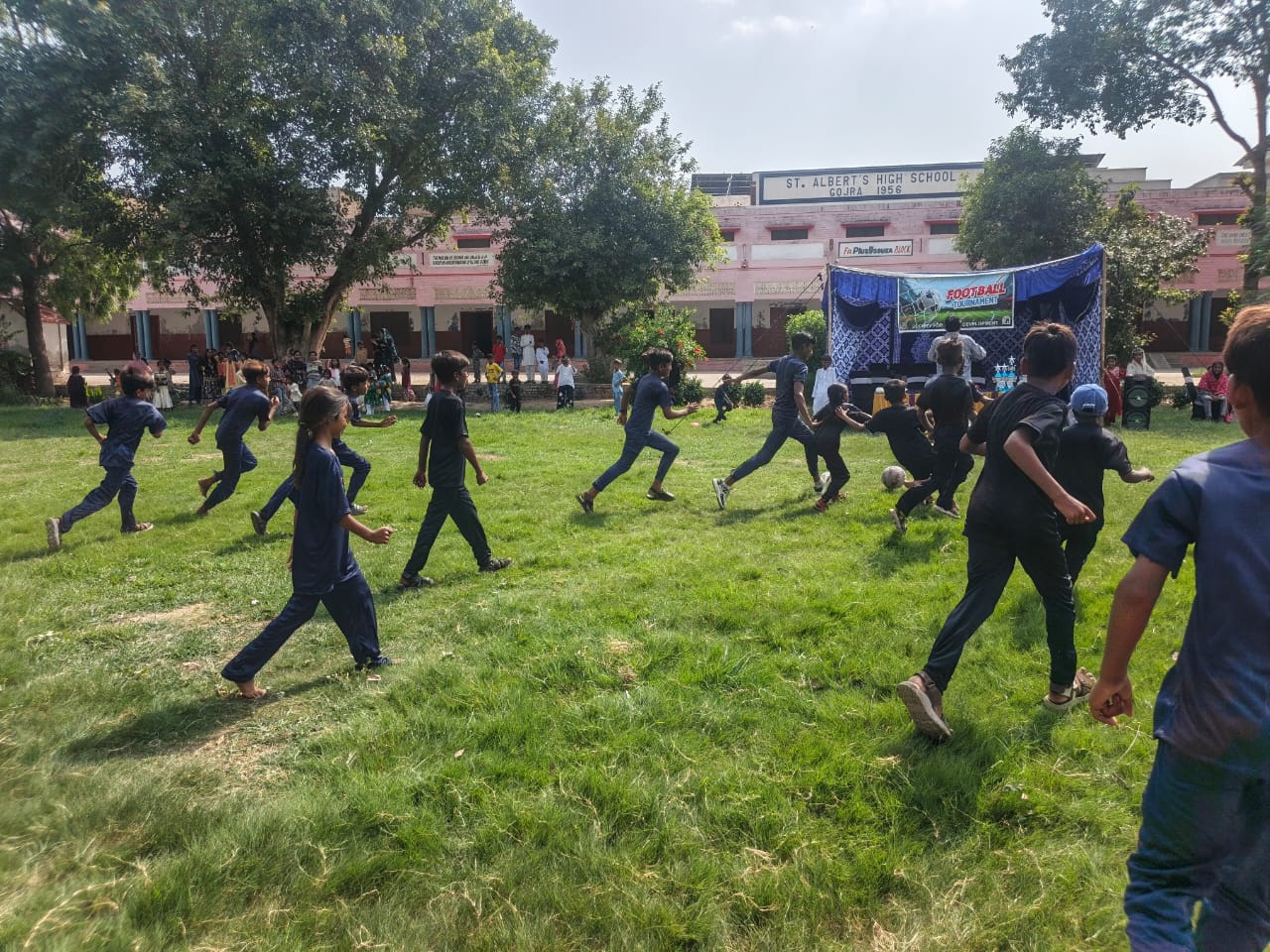
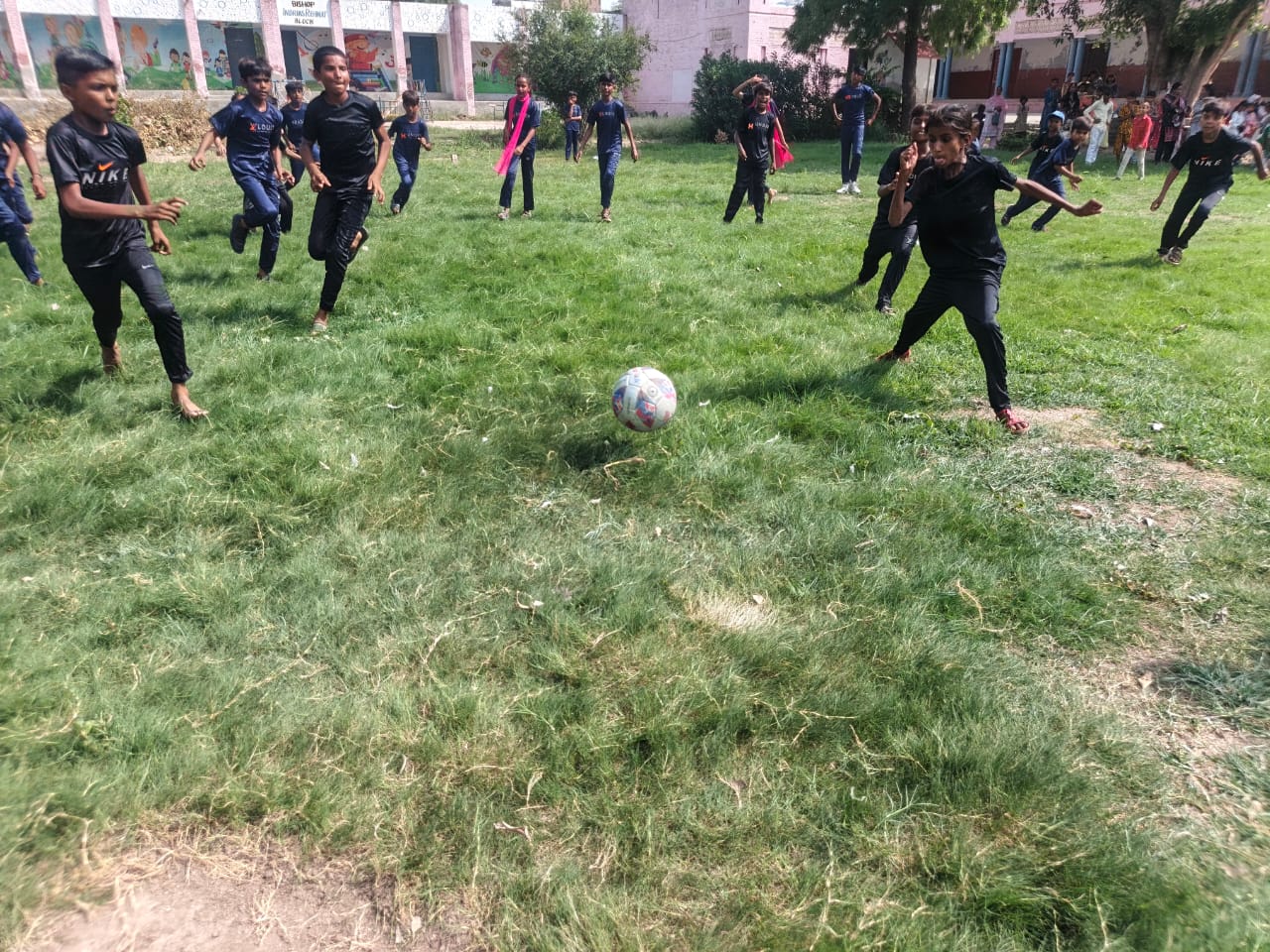
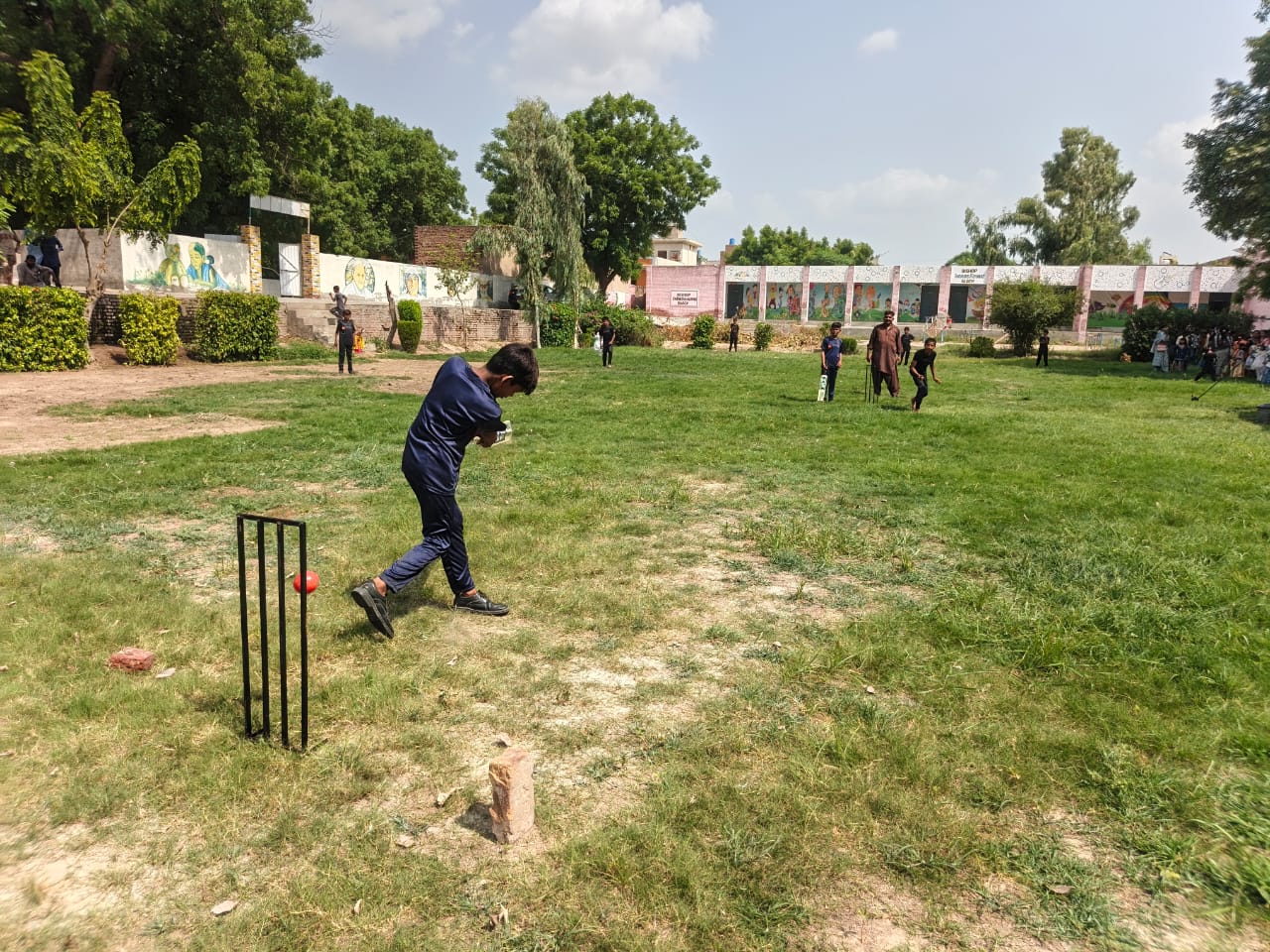
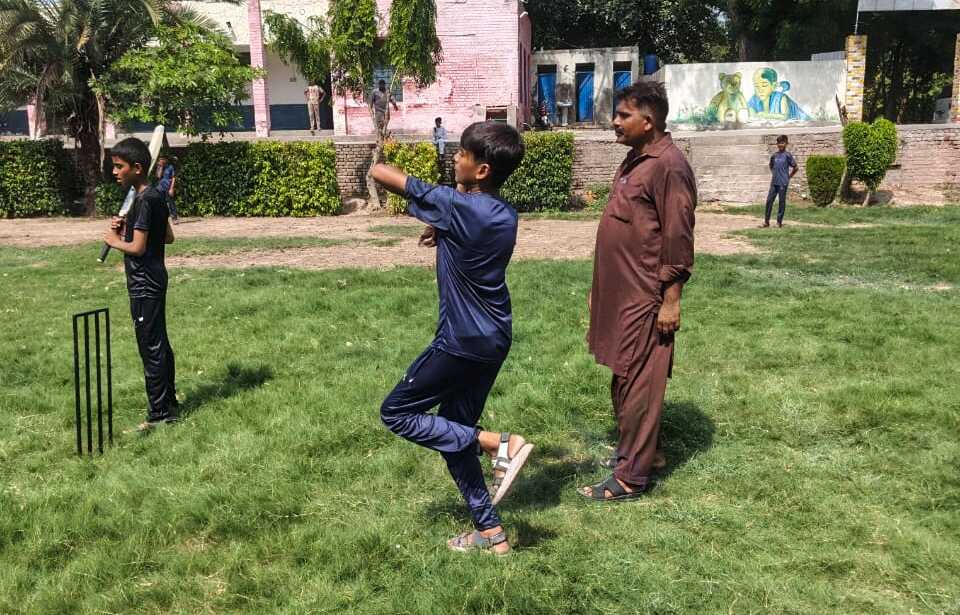
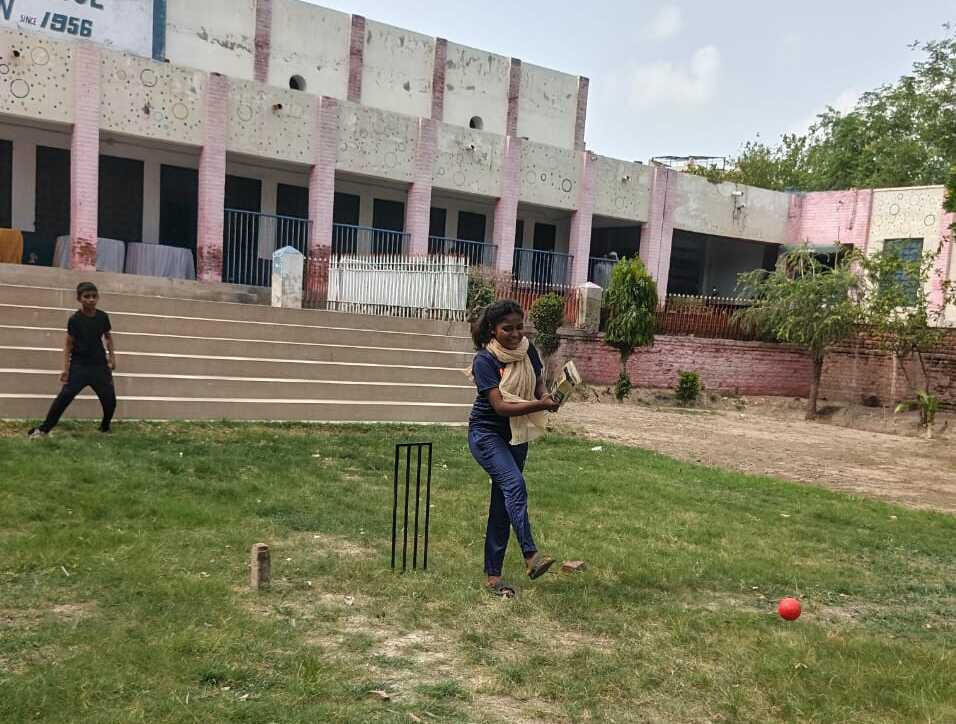
Football & Cricket Matches
We organize football and cricket matches to encourage teamwork, discipline, and healthy competition among children and young people. These sports activities provide a safe and positive environment where participants build confidence, develop leadership skills, and strengthen friendships while promoting physical and mental well-being.
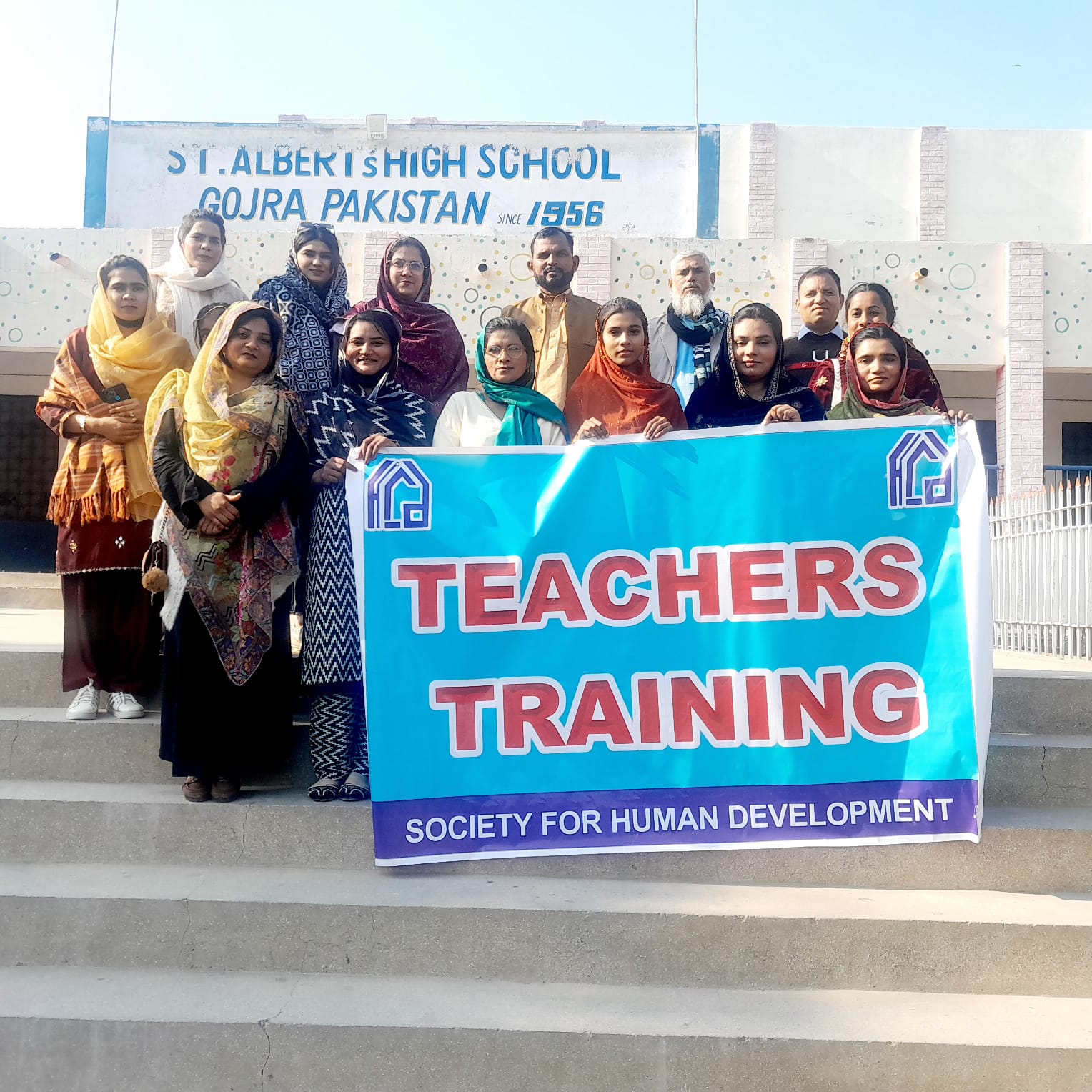
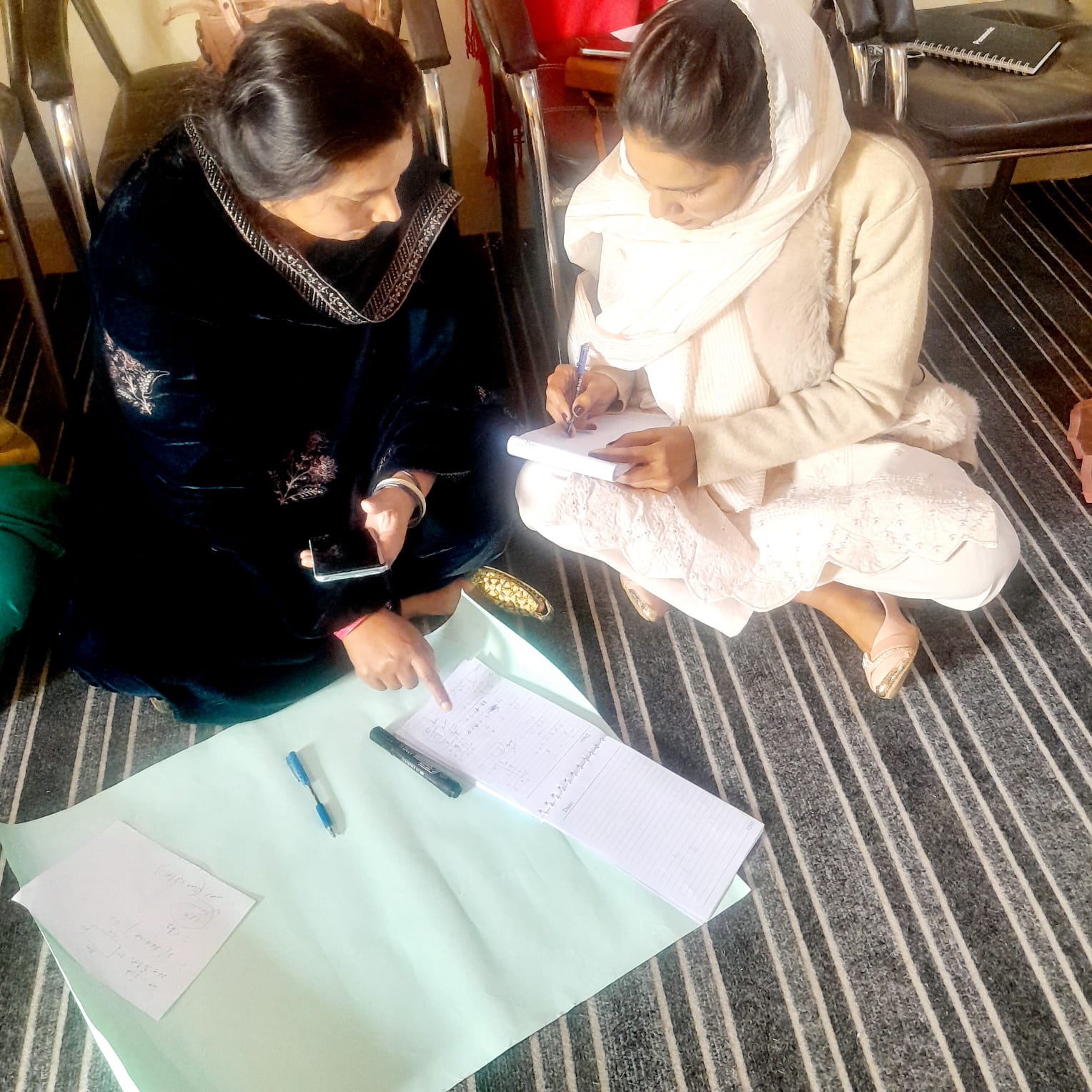
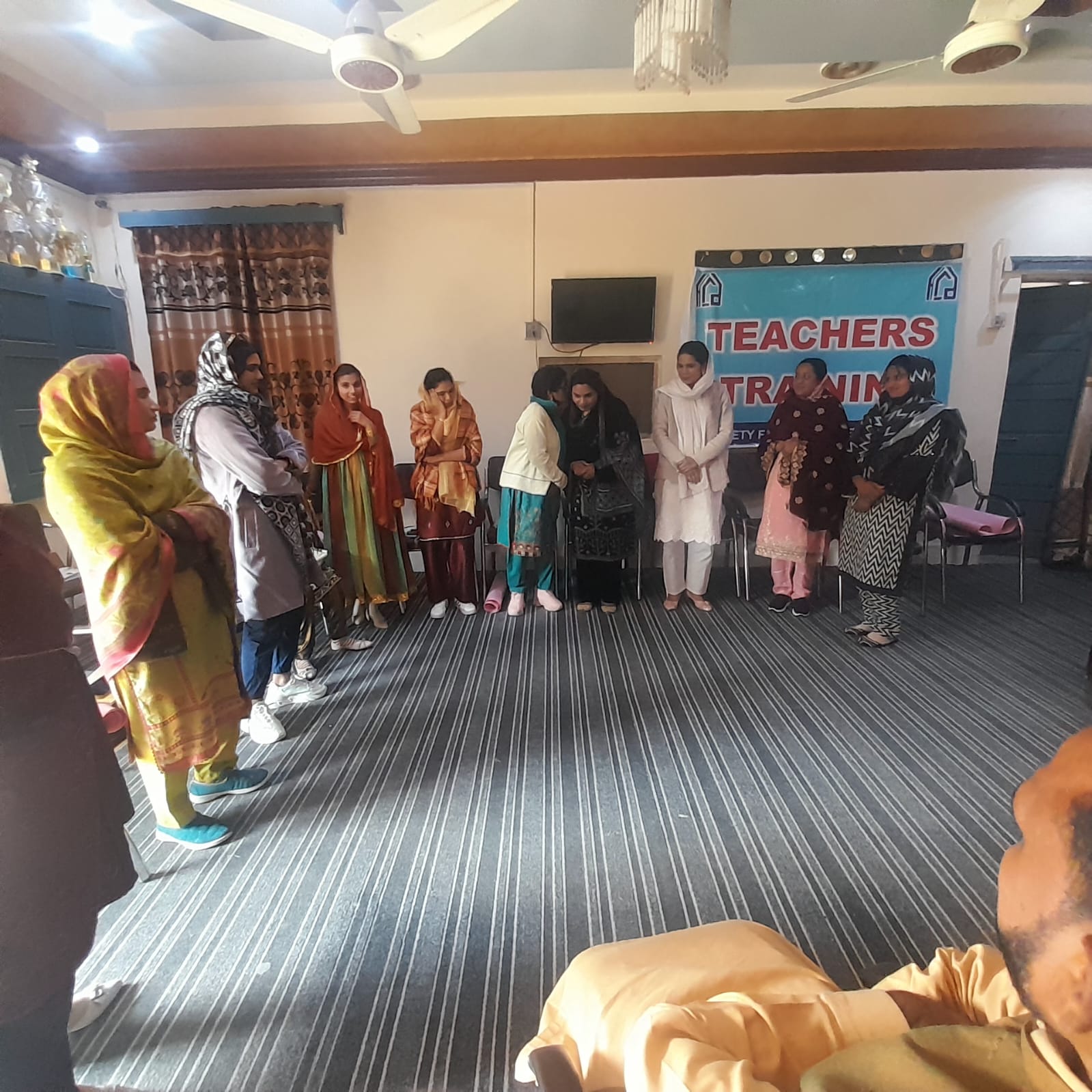
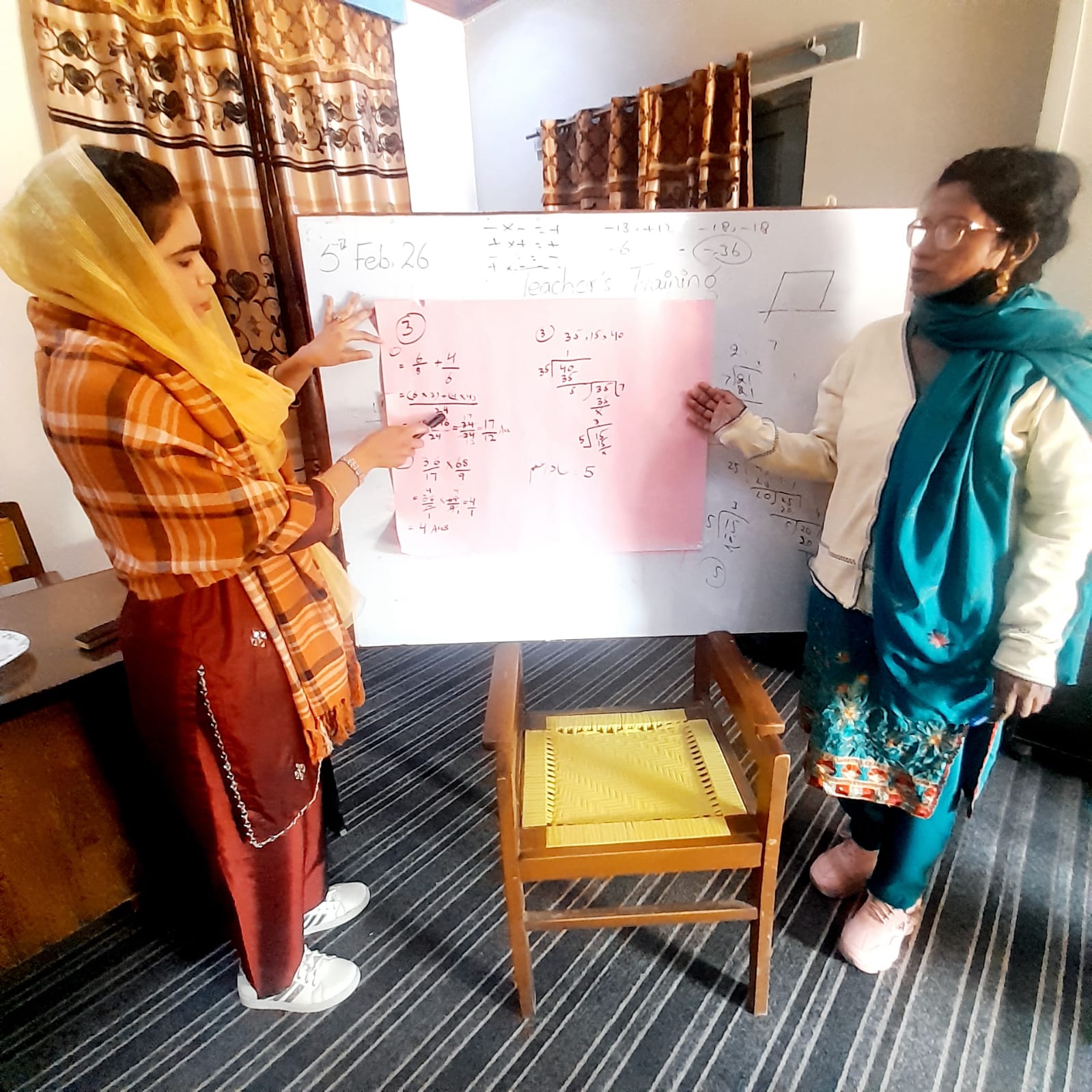
Teacher Training
We organize teacher training programs to strengthen the skills, knowledge, and teaching practices of educators working in underserved communities. Through interactive workshops and capacity-building sessions, teachers are equipped with modern learning methods, classroom management techniques, and child-centered approaches that improve the quality of education for every student.
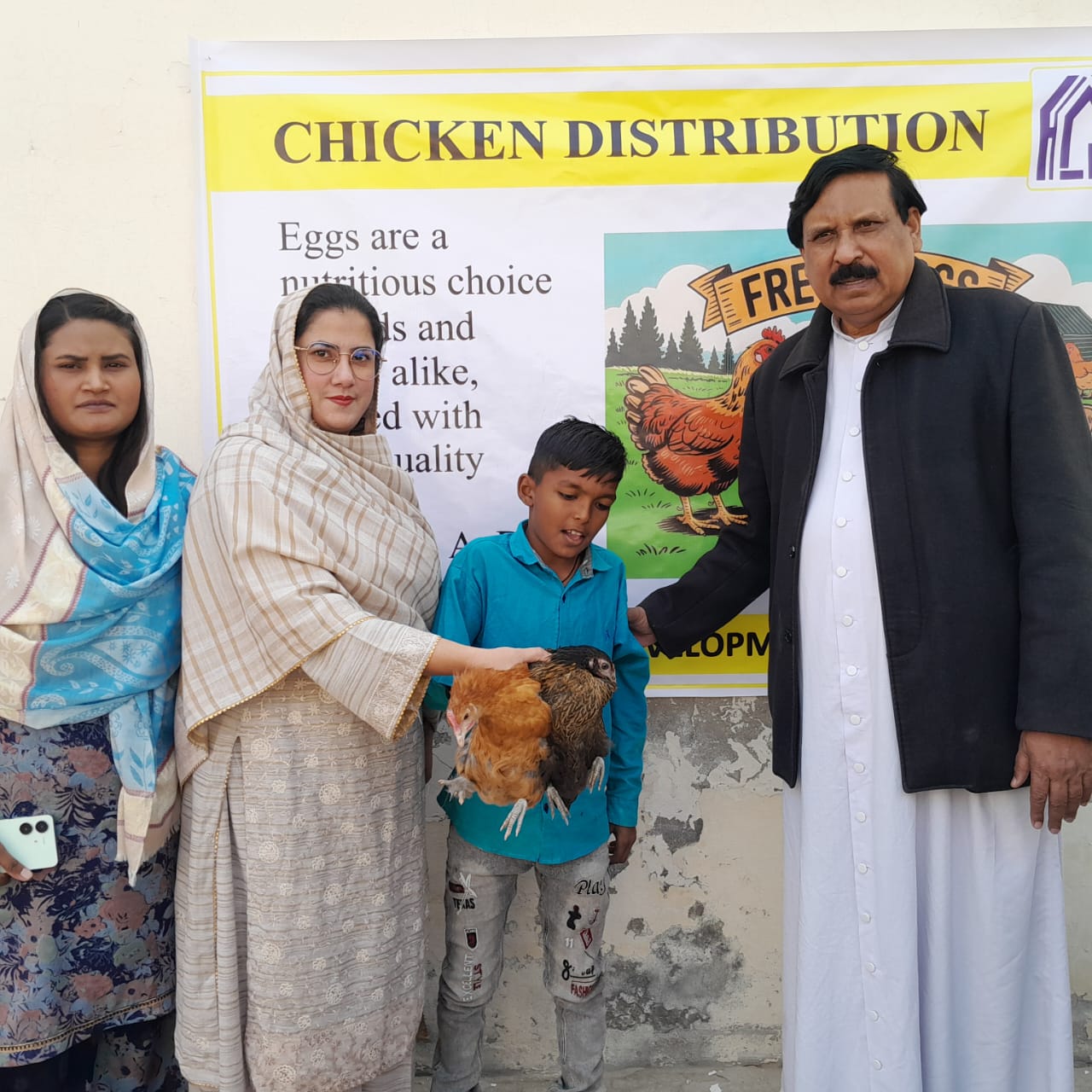
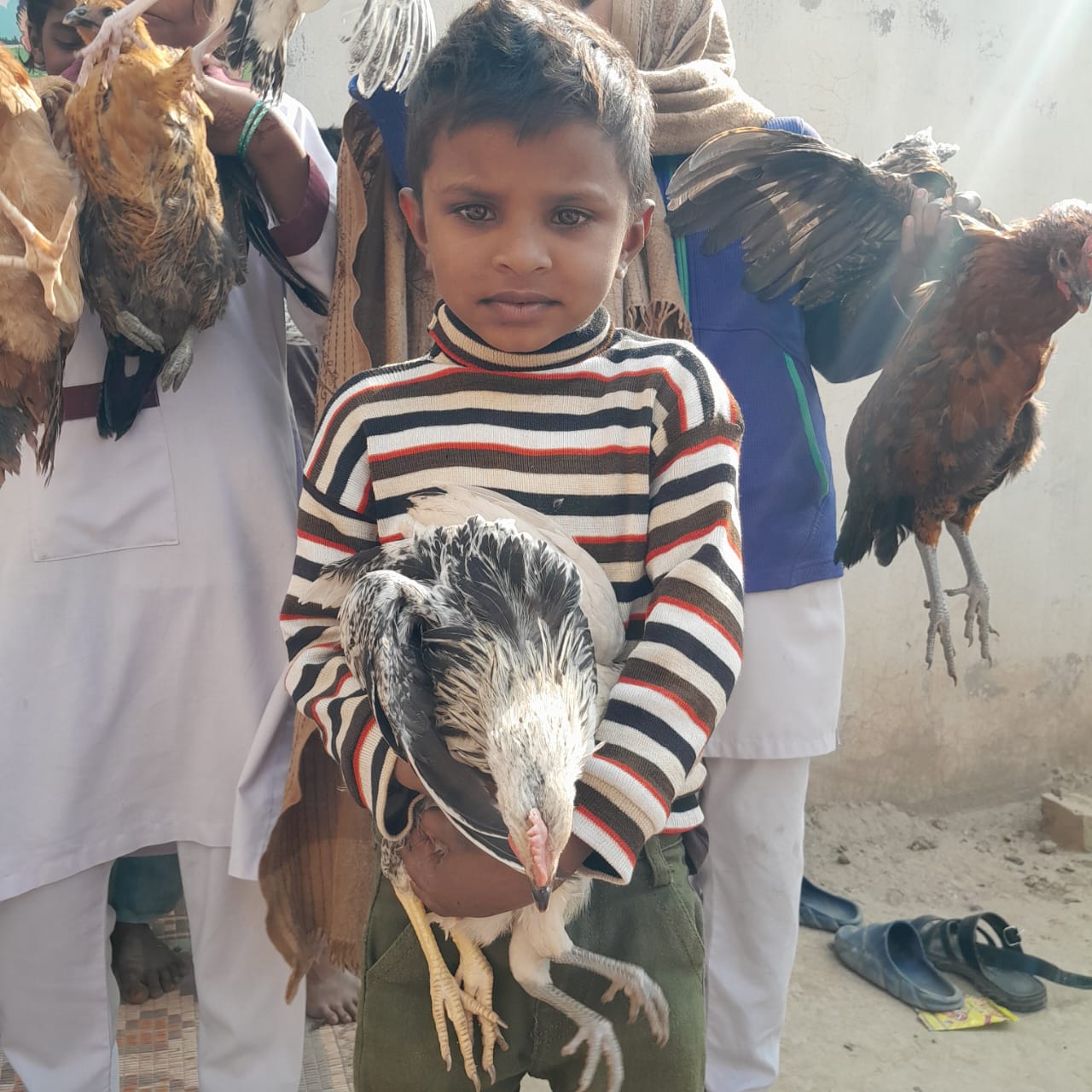
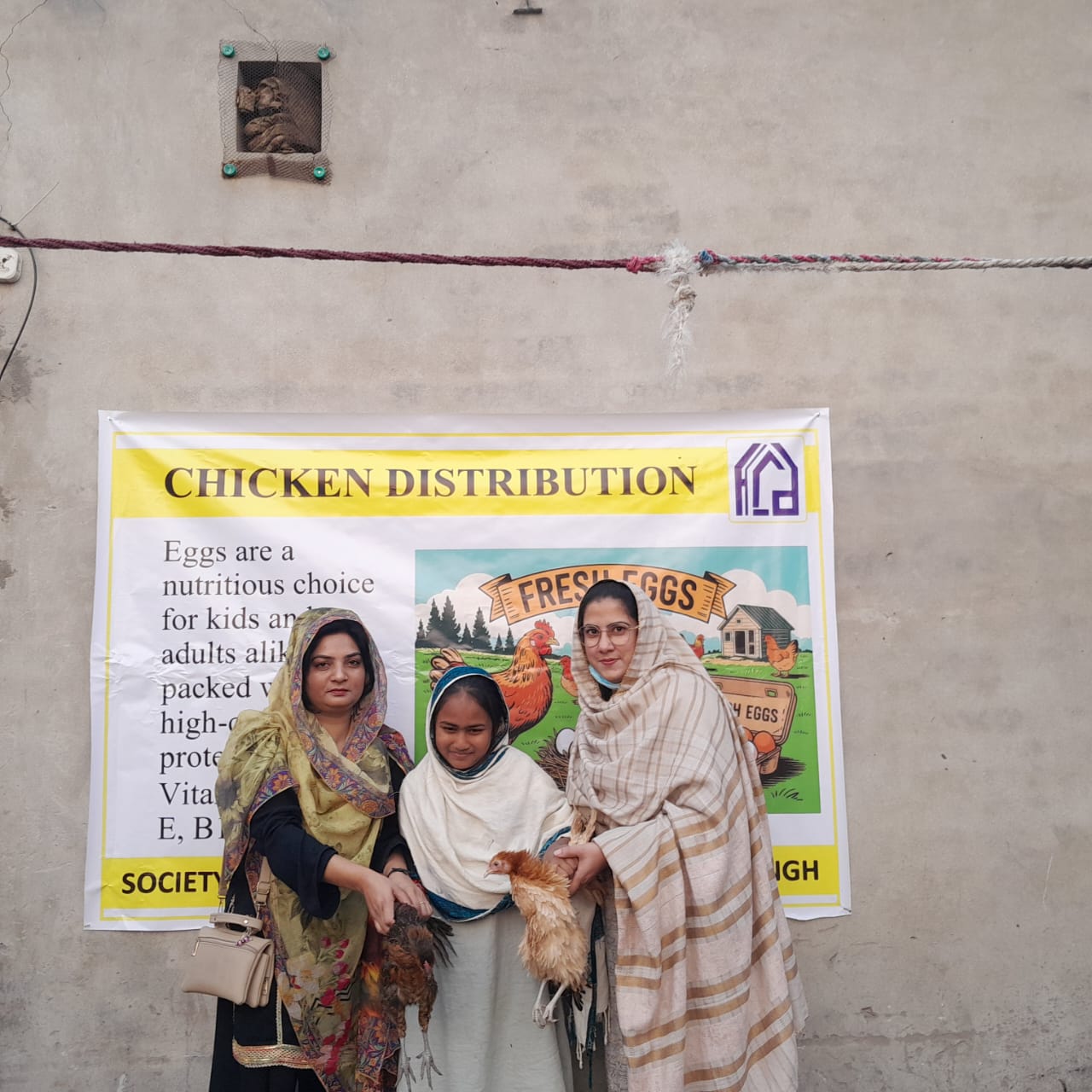
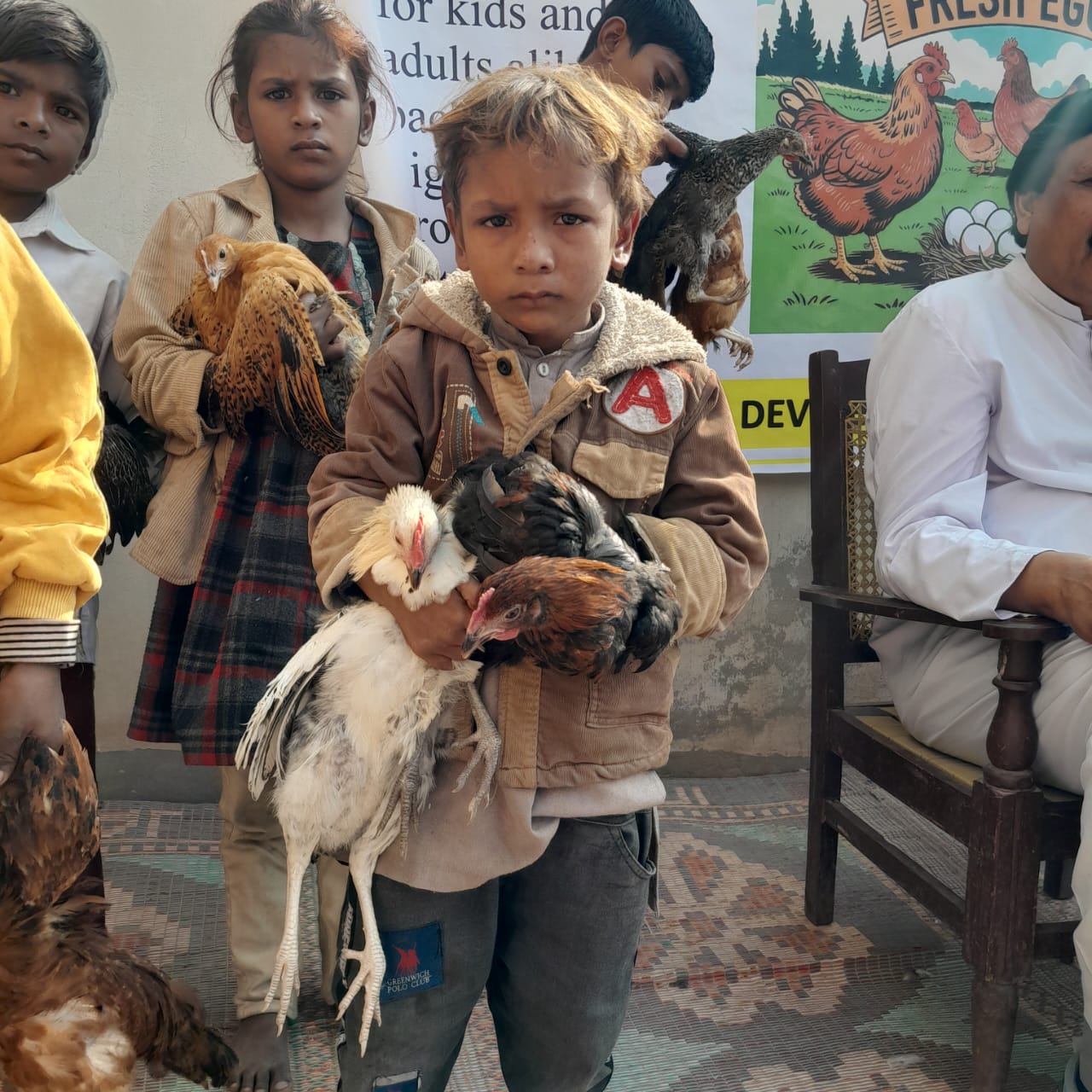
Chicken Distribution
Our Chicken Distribution program supports vulnerable families by providing fresh poultry as a source of nutritious food. This initiative helps improve household food security, eases the financial burden on low-income families, and ensures that children receive healthy meals during times of need.
Community Fun Fair
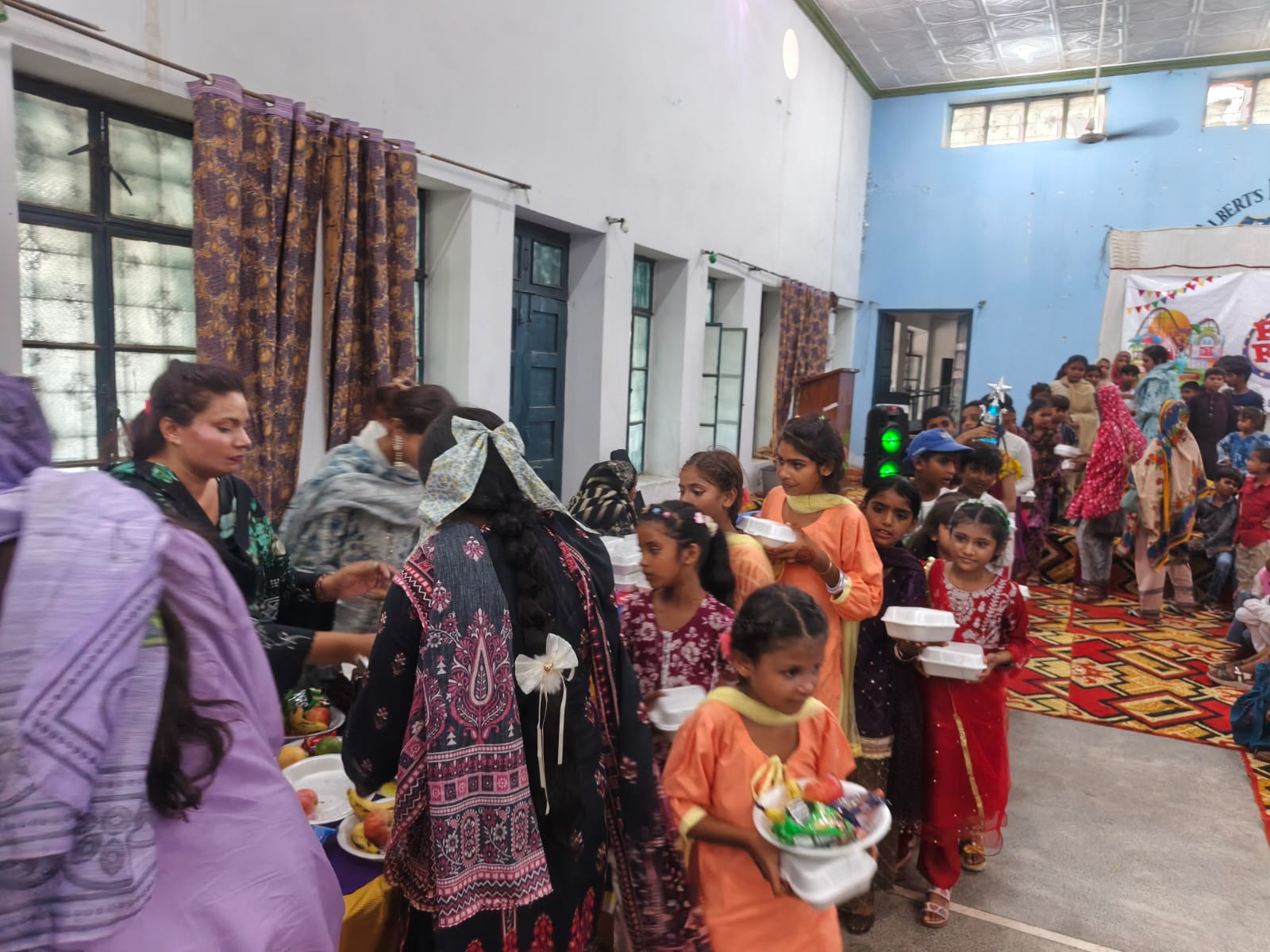
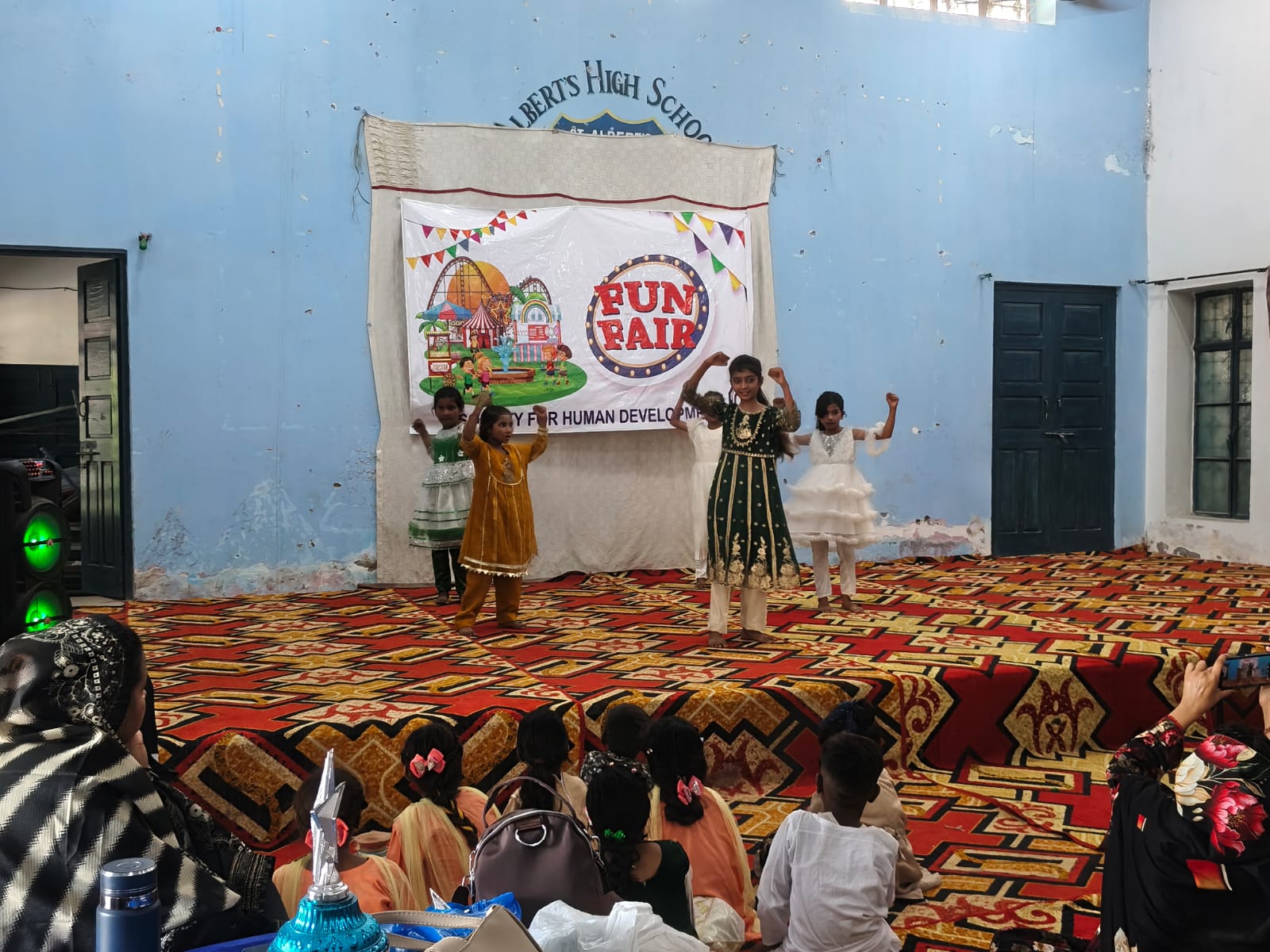
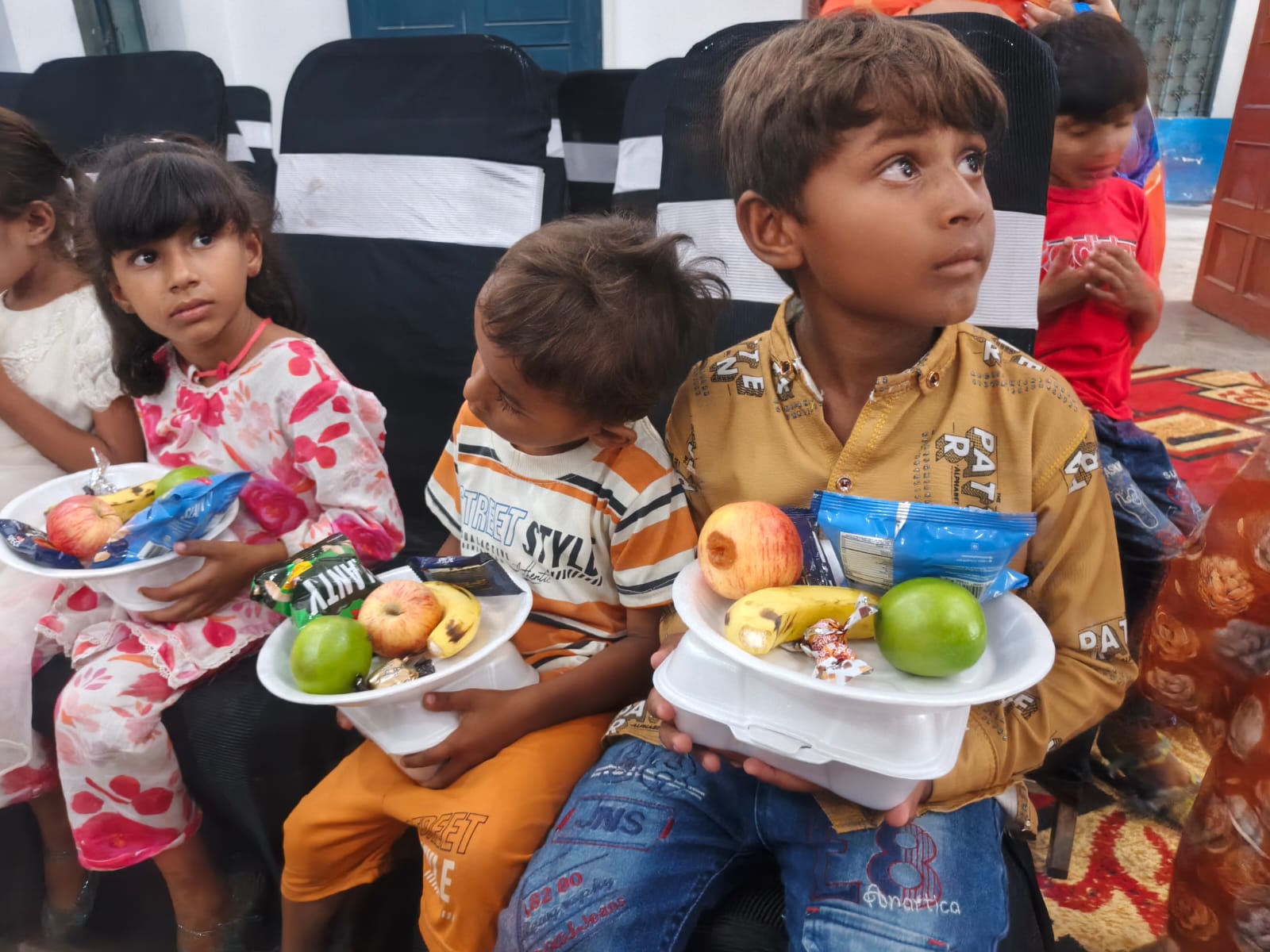
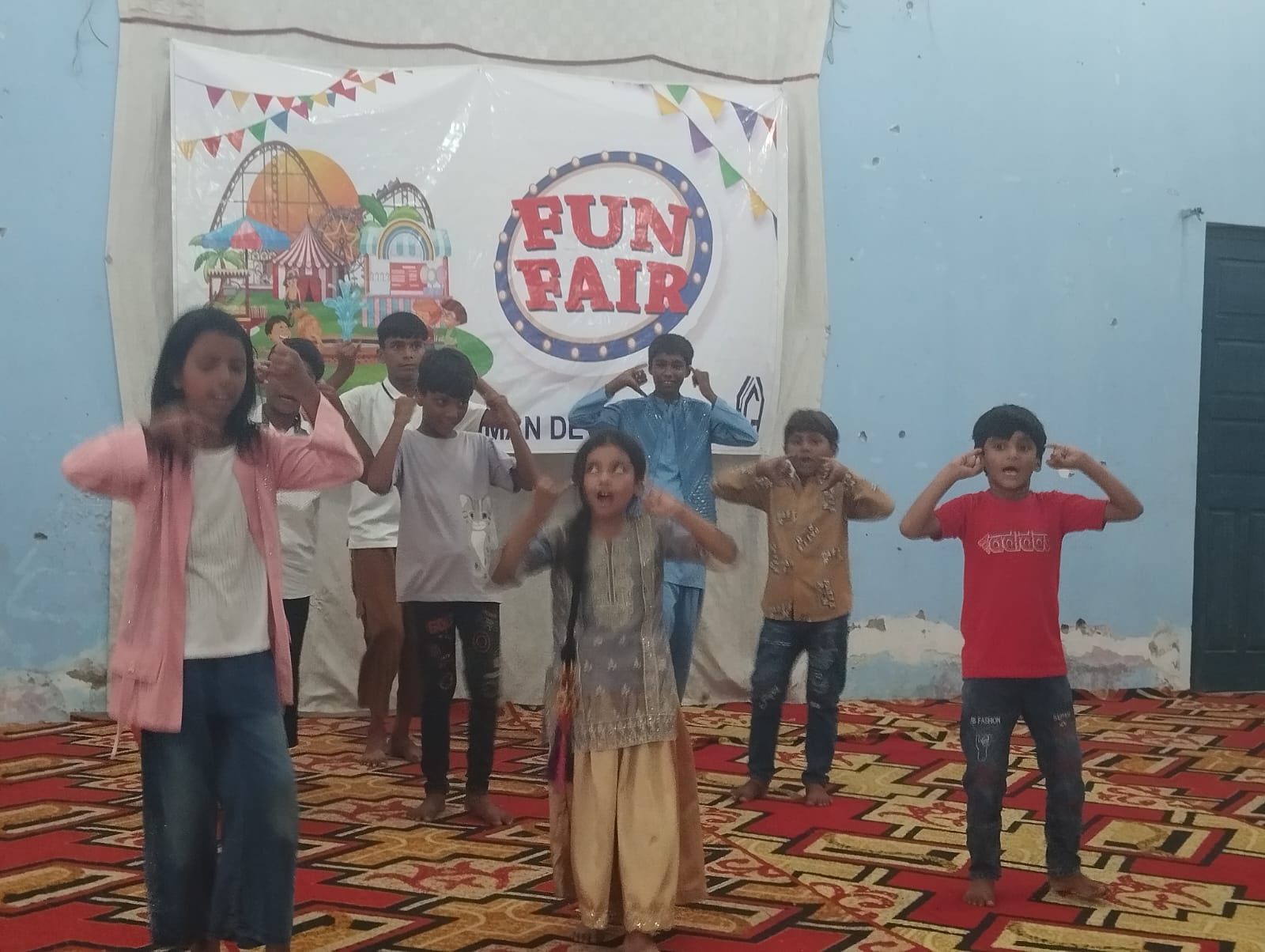
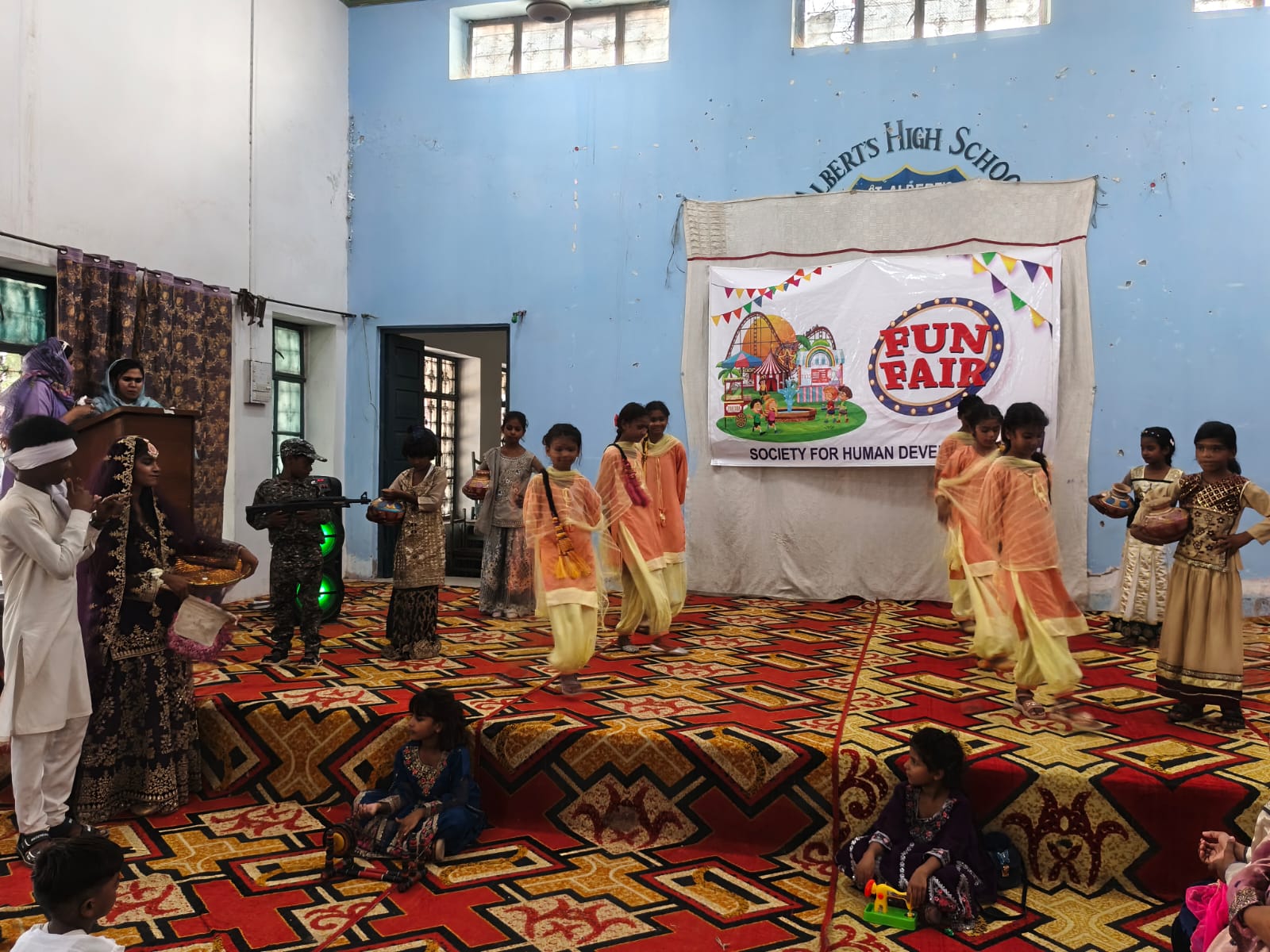
Our annual Community Fun Fair brings children, families, and the wider community together for a day of joy, learning, and celebration. Through games, creative activities, entertainment, and family-friendly experiences, the event promotes social inclusion, strengthens community bonds, and creates lasting memories for children from underserved communities.
BRICK KILN WORKERS CAPACITY BUILDING PROGRAM
Background
This project focuses on bonded labor at brick kilns in district Toba Tek Singh Punjab, Pakistan.An ancient craft, the practice of making bricks at brick kilns has not seen any significant technological advances in Pakistan. Most brick kilns are situated in rural areas and employ the most vulnerable sections of the labor class, often "low caste" migrants and Christians, a large majority of who are women and children. Some of the workers like the "jalai-wala" (in charge of the fire) are salaried, but specifically those who make the bricks are paid on a piece-rate basis.
Bonded labor, in the context of this project, refers to workers who are tied to a single employer due to a debt taken by them which they cannot repay (also known as debt bondage). The bonded labor system is very elaborate and characterized by advances or "Peshgi", without which no employment is possible. The ILO (1998), through a survey confirms that 93% of the brick kiln workers received advances before they started working, thus becoming "bonded" to the kiln owner until the debt is paid. Because of the extremely low wages paid to the workers, the high interest rate charged on the loans, fraudulent accounting by the employers which cannot be detected by the illiterate workers and instances like weddings, illness or funerals requiring extra cash for which new loans need to be taken, these debts pile up and often become "eternal debts", inherited by generation after generation of workers.
The bonded laborers in these brick kilns become the slaves of the owner and are socially, economically and physically exploited. The work is back-breaking and the conditions are inhumane: the families work from dawn to dusk often in soaring temperatures, the whole family receiving money equivalent to one person's wage. As most of them live at the kilns, they are isolated from the communities outside, and do not have access to basic health, education or even proper sanitation facilities. If they try to run away, they are hunted down and brought back to the kiln.
Objectives
- Promote Social Cohesion: Build tolerance and mutual respect among students of different faiths through interactive advocacy.
- Ensure government notified rates.
- Unionize the workers so that they can learn to do collective bargaining themselves.
- Promoting this issue in the media and doing successful negotiation with the Government on developing more labor friendly policies like increased wage rates.
- To upgrade the under privileged and marginalized community children through education
- Empower 100 workers with foundational knowledge of statutory labor rights and CNIC registration.
- Enroll 200 children of brick kiln laborers (Christians) into accelerated primary learning streams.
- Mobilize media platforms via 6 strategic press events to eliminate bonded labor patterns.
- Bridge institutional gaps through 3 direct structural engagements with the regional Labor Department.
- To uplift and free our Christian community from bonded labor.
- Within 5 years at least more than 50 Christian students (brick kiln workers children) will pass primary and will enroll in govt. Schools.
- Along with school studies teachers will also teach them Word of God (Bible verses, action songs, prayers)