-
Shareef Colony, Opp Railway Gate, Shorkot Road,
Toba Tek Singh, Pakistan
Emergency Response
- Home
- Emergency Response
Emergency Response
Society for Human Development also responds to emergencies and provides immediate support to families affected by floods, heavy rains, natural disasters, and other difficult situations. During emergencies, vulnerable families often lose their homes, livelihoods, food supplies, and access to basic necessities. The staff of the Society for Human Development works to provide timely assistance and stand with affected communities during their most difficult moments.
As part of our emergency response, Society for Human Development has distributed food and essential relief items among affected families. Food packages have helped families meet their immediate nutritional needs and provided relief to those who were unable to arrange sufficient food during the crisis. Our teams work closely with local communities to identify the most vulnerable families and ensure that available assistance reaches those who need it most.
Objectives
We believe that emergency support is not only about providing food and relief items, but also about showing compassion, solidarity, and hope. Our staff and volunteers remain committed to reaching affected communities with sincerity and responsibility. With the support of our donors and partners, we continue to strengthen our emergency response so that we can provide timely assistance whenever communities face unexpected challenges.
Through these efforts, Society for Human Development aims to help affected families recover with dignity and rebuild their lives. We are grateful to all donors, partners, volunteers, and community members who make this emergency work possible and enable us to stand beside people when they need support the most.
Sahara Project
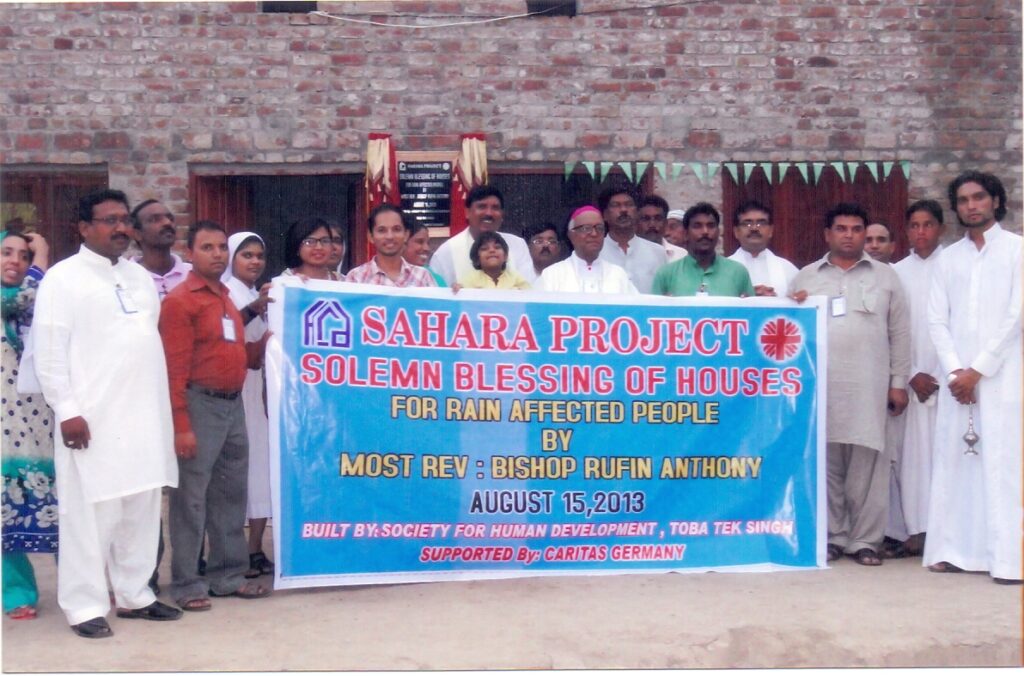
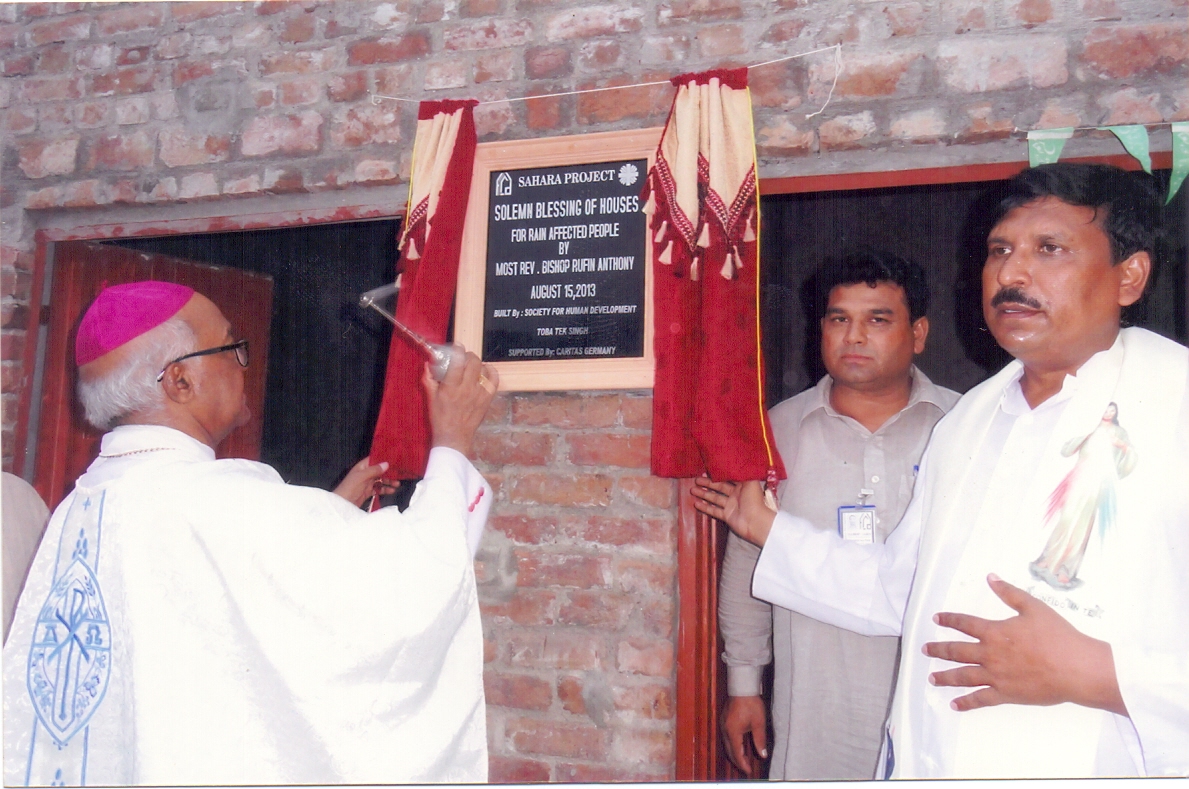
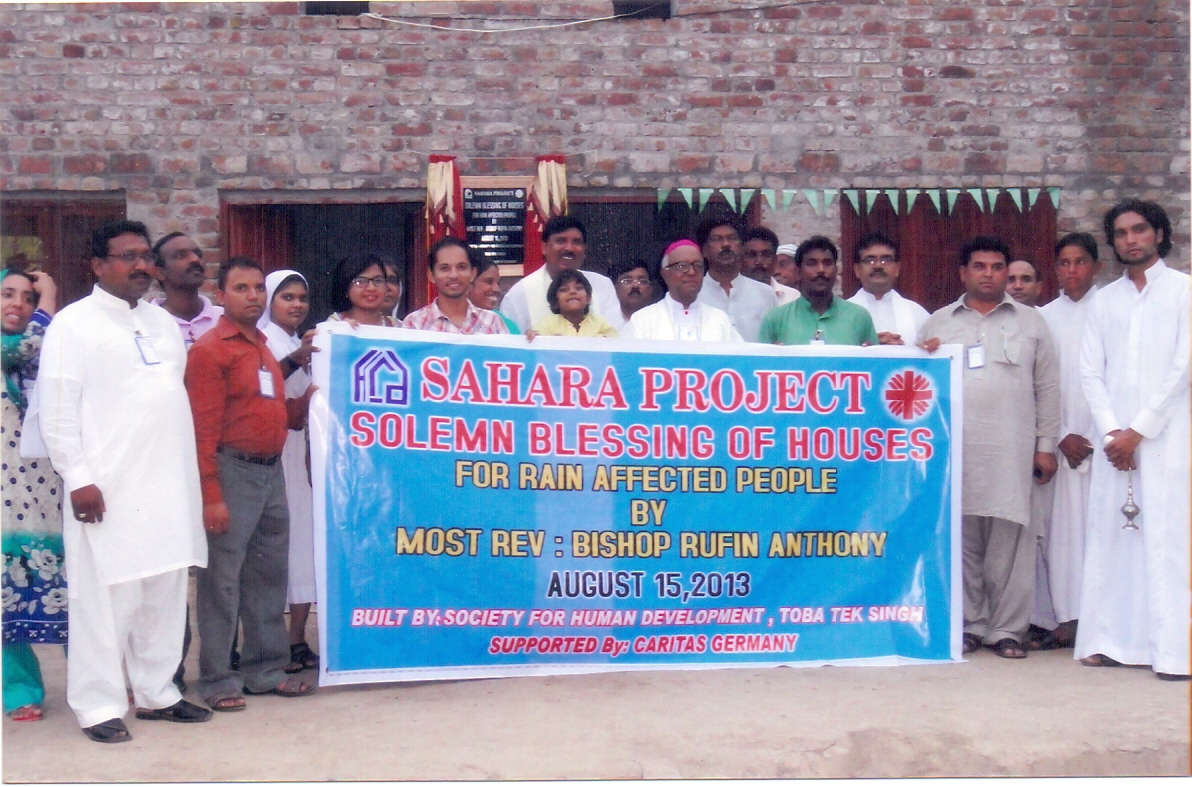
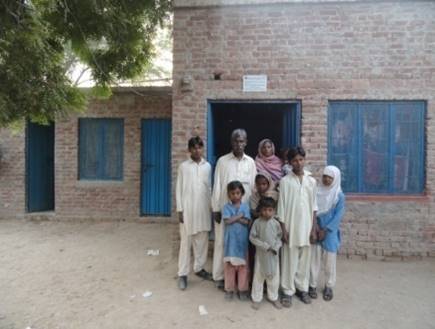
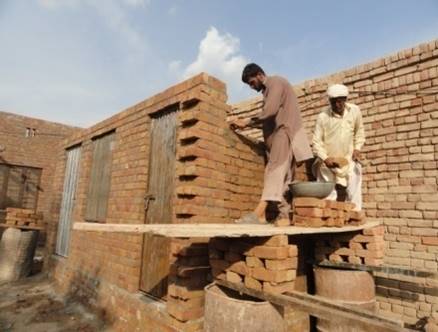
In 2012, heavy monsoon rains severely affected South Punjab, particularly Shorkot and Toba Tek Singh. According to the NDMA report dated 14 September 2012, 34 people had died in South Punjab, while 654 people had been injured. Overall, 222,547 people had been affected across the country, including 162,308 in Punjab. The rains had partially damaged 10,014 houses and completely destroyed 4,990 houses, including 2,835 in Punjab. Standing crops had also been destroyed, while the raised water table and continued rainfall had made agricultural recovery difficult. Poor peasant families, both Muslims and Christians, had been unable to rebuild their damaged homes and had been forced to live under the open sky, leaving them vulnerable to dengue and other waterborne diseases. Temporary shelter had therefore provided them with safety, dignity, and stability. The affected families had contributed land and labor, while the Society for Human Development (SHD) had provided construction materials and skilled workers. They had also participated in SHD’s programs on gender development, health and hygiene, water and sanitation, education, literacy, and human rights. Women had participated in income-generation activities and had been organized into community groups.
Main Goal of the Project
The Society for Human Development (SHD) supported the affected families through this project. Following a detailed survey and assessment, the SHD team identified 50 severely damaged houses belonging to vulnerable families in Toba Tek Singh and Shorkot and supported their reconstruction. The main goal of the project was to rebuild single-room shelters for 50 badly affected families, benefiting approximately 400 individuals, within a period of four months. The intervention focused on providing safe and dignified housing to families whose homes had been severely damaged. As a result of the project, all 50 families gained greater security, dignity, and respect. Having a safe roof over their heads helped restore their confidence, sense of stability, and faith in human rights and humanity. The newly rebuilt shelters provided families with a secure place to live and enabled them to focus on recovering from other challenges and rebuilding their lives. Through this support, SHD contributed not only to the physical reconstruction of homes but also to the restoration of hope, dignity, stability, and resilience among the affected families.